


Wondering why – or if – you should donate ALL old clothes? Even holey socks and underwear? A fashion expert explains why it’s a must!
By Kelly Drennan
As a sustainable fashion advocate for the past decade, I happen to know my stuff. I’ve written about how fashion is the second largest polluting industry after oil; that the average t-shirt travels 35,000 km before landing on your back; and that one cotton t-shirt requires about 10 full bathtubs of water to make, for example.
Textile waste has long been an issue I’ve addressed as well. But it is only recently that I have come to realise how little the average person knows about what truly happens to our garments when we’re done with them.
Yes, the fashion industry is starting to think about this. Governments, too, with some municipalities looking at landfill bans, and that’s exciting for those of us who want to see sustainability advanced throughout the entire fashion system.
But where work really needs to be done (alongside industry & government) is with us, the consumers.
Less Is Always More

Buying less is of course the golden rule. We don’t need more clothes. According to Fashion Revolution, we purchase 400x more clothing/year than we did in 1980. That is a sickening fact. So what are we to do with these new garments when we’re done with them?
Passing on our unwanted clothing to friends, family and those in need is, of course, the best option. But Americans toss out 25 billion pounds of clothing every year, with only 15 percent of that being donated or recycled.
I think one reason for that low figure is because many of us believe that if our unwanted textiles are unattractive (think: knackered underwear, shrunken sweaters, ripped or stained linens), they’re simply rubbish.
So, enter the charitable organisations and clothing donation bins.
Why Donating ALL Old Clothes Is A Must
I decided to poll my Facebook community around what they donate and where. In just a few hours I had over 50 responses, and 90% of those stated they never donate undesirable textiles. Some of that 90% go on to say they may use them as rags around the house, which is great. But most simply chuck those unwearables (and unmentionables) into the garbage can, because they simply didn’t know any better.
The fact is, EVERYTHING can go into the bins. That’s right – even your holey-toed socks, saggy underwear and stained linens. Not because there is a market to resell these items, but because there is a market to recycle the fabric they’re made from.
And while that market might still be small, we have the power to make it greater.
If you have tons of clothes to donate, consider using a local courier service to send your bagged textiles directly to the charity shop of your choice. This will ensure your old garments are given a second life with ease. Even if you don’t have a car, nor a clothing recycling bin near you.
Supply & Demand
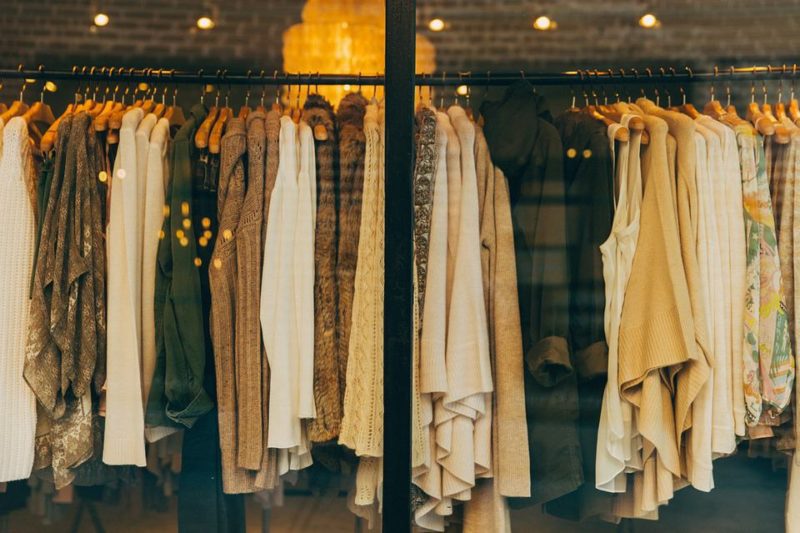
If we start donating everything to the bins and to the second hand retailers, it means they will have a whole lot more textile waste on their hands, forcing the fashion industry and government to move quickly and come up with some innovative solutions that can help boost our economy (or grow the low-carbon economy) by creating jobs and reducing GHGs.*
About 60-70% of what we donate is resold by stores like Value Village, Goodwill and the Salvation Army, or is shipped to developing countries in the form of charitable donations.
And the other 30-40%? Well, that’s sold as shredded fabric for recycling. The automotive, carpet, toy, and building industry are buying shredded textile waste and using it for insulation, under padding and stuffing, for example.
All Old Clothes Matter
About 5% of what is collected is truly recycled and turned into brand new threads that eventually become new garments. H&M and Levi’s are two large brands that are doing exactly that, and they’re even collecting used textiles in their stores to help facilitate the process. I am confident that even more will jump on board in the next few years.
It is this kind of textile recycling – part of the circular economy – that we need to grow. It will create new jobs and support our country’s climate action plan under the Paris Agreement. All we need to do to help make this happen is donate!
For the sake of the planet, please donate ALL your old textiles to charity bins. Whether your old jacket gets another ten years of wear from a person in need, your old socks become new insulation or vegan ‘fur‘, or your stained towels are transformed into teddy bear stuffing, your old ‘dead’ textiles are far more useful than you think.

*This article has been edited for style.
Follow Kelly on LinkedIn here.

- Meet Ethical Fashion Designer Kelli Donovan - July 26, 2025
- 7 Of The Best Clean At Sephora Makeup Brands - July 13, 2025
- Eluxe Horoscopes For July 2025 - June 30, 2025