

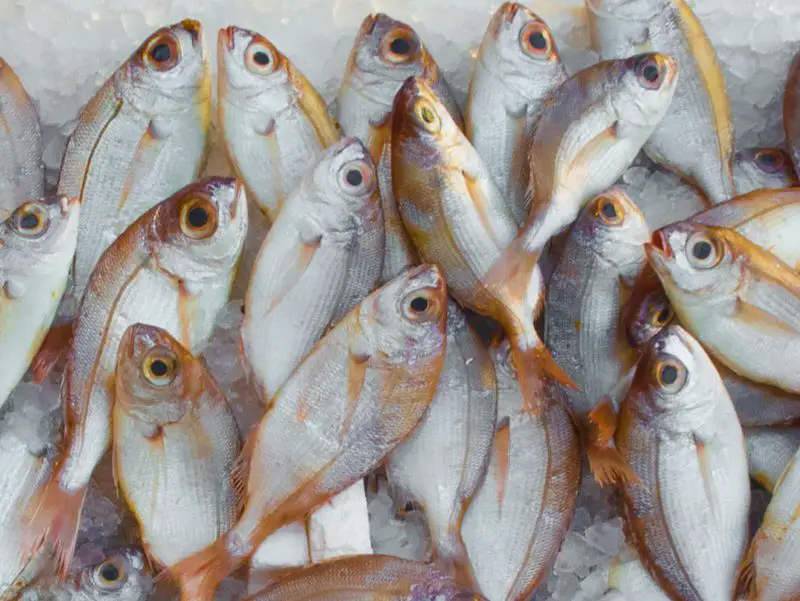
Think putting animal ingredients in cosmetics is a thing of the past? Think again! It’s more common than you’d assume. Here’s what to look for
By Lottie Newman
We often worry about whether cosmetics were tested on animals, but what about cosmetics made of animals?
Sure, the ‘leaping bunny’ symbol ensures us that a skin cream or mascara hasn’t been dripped into the eyes of some poor beagle in order for it to be considered safe. Great! But there can often be strange sounding ingredients in cosmetics that you’d never guess were the actual body parts of animals.
This is especially true for perfumes (the ingredients of which most people never check). But animal products are also found in multiple makeup, grooming and skin care products, too.
This has serious implications for not only vegetarians and vegans, but also those with religious convictions, such as Kosher Jews, Halal Muslims, or Jains, for example.
Here, we’ve found 16 horrible animal ingredients in cosmetics that will probably motivate just about any animal loving reader to use vegan products only. Here’s what to look for.
Image below: civet cat trapped for its scent
Look Out For These Animal Parts In Cosmetics

PERFUME
1. Civet
Love your musky perfumes? If you love animals more, then you’ll probably have to give them up. Civet is a rich smelling secretion taken from the anal glands of the African civet cat (pictured above). These beautiful animals can be held in cages for up to 15 years in order for their glands to be ‘milked.’ That’s done by painfully scraping the glands while the animal is still alive.
Otherwise, the cat will be killed and the glands removed to take the secretion.
There are synthetic musks now too, but these chemicals are often highly toxic. Best move to a floral scent!
2. Castoreum
This is another means of procuring a musky scent for perfume. But instead of killing and torturing a civet cat, a beaver is used instead. (Note: Castoreum isn’t the same as castor oil, which is actually vegetable derived).
Unfortunately, many perfume brands kill beavers for their scent. These include:
- Emeraude
- Chanel Antaeus
- Cuir de Russie and Magie Noire by Lancome
- Shalimar
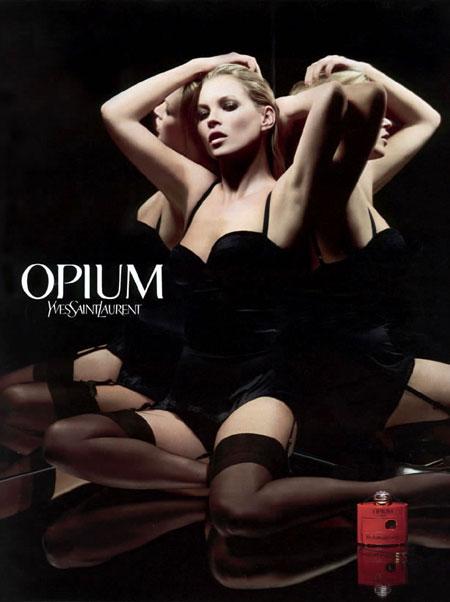
- Opium by Yves Saint Laurent
- Givenchy III
To name but a few.
The solution? Stick with all natural, vegan friendly perfume brands instead, like these.
3. Ambergris
Of all the animal ingredients in cosmetics, this may be the most repugnant!
Remember all those ‘save the whale’ campaigns? They were needed because so many whales were being killed for ambergris.
This is a waste product harvested from the sperm whale’s digestive system where it’s passed as poop or vomit, but more than often, it’s taken right from the intestines of slaughtered whales.
Despite the fact that it is illegal to trade it in some countries, it’s used as a fixative in several perfumes. These include:
- Amouage
- Atelier Alchemy
- Ava Luxe Mousse de Chine
4. Musk
The original musk is taken from the glands of the male musk deer, which is killed for this.
Unfortunately, there are many perfumes that are in the business of killing these majestic creatures for musk.
These include:
- Mitsouko
- Chanel 5
- Miss Dior
- Bandit perfumes
All of these brands should therefore be off limits to not only vegans, but all animal lovers!
MAKEUP
5. Guanine (fish scales)
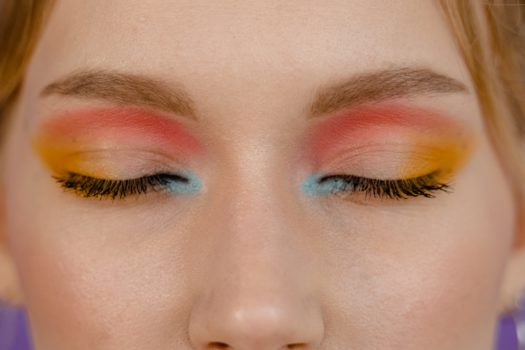
Got a shimmery eye shadow, lipstick or nail polish? It may be thanks to animal ingredients in cosmetics. Guanine is a pearlescent element in fish scales called guanine. It’s also used in skin lightening creams.
Some would argue that this is better than plastic particles, or even mica, which is often mined by children. That may be true – especially since the scales are often a by-product of fishing. But guanine is a definite no-no for vegans.
6. Carmine/Cochineal
This natural red dye actually comes from cochineal beetles, wingless insects that eat cactus plants in in South and Central American countries. When crushed they excrete a red chemical called carminic acid which, when mixed with calcium salt, makes a natural red dye called carmine or cochineal.
Because the dye is all natural and safe for human consumption, it’s one of the most common animal parts in cosmetics. It is often used in lipsticks, as well as foods.
But the fact that hundreds of beetles are crushed for consumer products should put vegans off any product containing carmine.
SKIN CREAMS
7. Tallow
This is a by-product of animal fat. It’s made by boiling animal carcasses in a pot and scraping off the fat the floats to the top. These carcasses come from myriad sick sources. They include unfortunate lab animals, pigs, cows and sheep that die before reaching the slaughterhouse, euthanized zoo and shelter animals, expired meat from supermarkets, etc. The tallow is then used as an emollient in cosmetics like lipsticks skin creams, cream blusher and soap, for example.
Of course, ‘tallow’ is so gross, it’s never on the label. Instead, look for these words used before the word ‘acid’:
- oleic
- palmitic
- stearic
- palmitoleic
- linoleic
- myristic
If you see these, your skincare or makeup brand is likely using animal tallow. Contact the brand directly to be sure they’re not.
8. Squalene
Almost all plants and animals make this naturally-occurring oil in their bodies, including we humans. But one common form used in cosmetics comes from the livers of sharks.
The fact that shark squalene is easily absorbed into the skin makes it a favourite with cosmetic giants, who put it in lip balm, sunscreen, and moisturisers.
Some vegan companies do use plant squalene, though. Which is fine by us! Just make sure the label says ‘squalene (vegetable derived)’.
9. Snail Slime
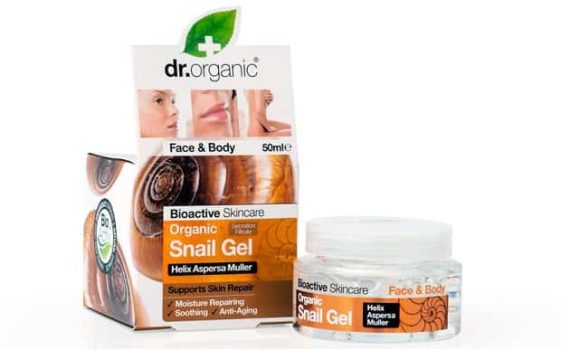
The sticky secretions from these critters are packed with glycolic acid, also known as alpha hydroxy acid, They also have elastin, a protein that forces tissue to return to its original shape after stretching. Both of these chemicals are like magical ingredients for those who want to turn back time on their wrinkles. No wonder snail goo a trendy ingredient in face cream today.
While it may sound like snails are tortured to get this ingredient, a spokesperson for the Dr Organics brand (which is meant to actually be very effective at combating wrinkles) says they’re not harmed at all. Hmm…do we believe that? You decide.
10. Lanolin
Lanolin is another of the animal ingredients in cosmetics. Sheep secrete this oily substance from their skin to keep it hydrated. It is collected from their wool to make things like skin creams and soaps to keep our skin hydrated. It’s not always the result of killing the animal, but it can be.
Best to simply avoid it.
11. Spermaceti
Of all the animal ingredients in cosmetics, this may be the saddest one. This is a waxy oil derived from the sperm whale’s head or – believe it or not – from dolphins. It’s found in skin creams, ointments, shampoos, and candles.
How is this even legal, people??!
12. Collagen
Before Mad Cow disease, collagen creams usually contained bovine collagen derived from cow cells. Today, collagen that comes from fish is more common, as it can be easily absorbed into our cells, has little or no smell, easily dissolves in water, and has an overall low allergy potential, It also leads to a more efficient collagen synthesis.
Fish collagen peptide is becoming the collagen of choice for skin care supplements to improve skin smoothness, elasticity, moisture, and to also slow down the formation of wrinkles and fine lines. But it’s far from vegan friendly.
Does vegan collagen exist? Kind of. Read our article about it here.
13. Elastin
Similar to collagen, this is a protein found in the neck ligaments and aortas of cows. It’s often put into skin creams and makes the claim it can restore skin’s bounciness.
14. Glycerin/Glycerol
As a byproduct of soap manufacturing that normally uses animal fat, this is commonly found in not only skin cream, but also mouthwashes, toothpastes, and soaps.
Hard to believe, but even a simple bar of soap might not be vegan friendly!
There is such a thing as vegetable glycerin, too. Make sure the label says ‘vegetable derived’ if it has glycerin on it. Otherwise, assume it’s from dead animals.
HAIR CARE

15. Keratin
It’s a common ingredient in shampoos and conditioners, as well as the famous ‘Brazilian Keratin’ salon hair straightening treatment. But did you know this is protein that comes from the ground-up horns, hooves, feathers, quills, and hair of various animals? If you’re vegan, Kosher or Halal, you will want to avoid this ingredient!
One common keratin shampoo brand used to be branded ‘Organix’ but after it was pointed out by the brand Dr Bronner‘s that few of their ingredients were actually organic, they changed their name to OGX. See how careful you have to be?
NAIL POLISH
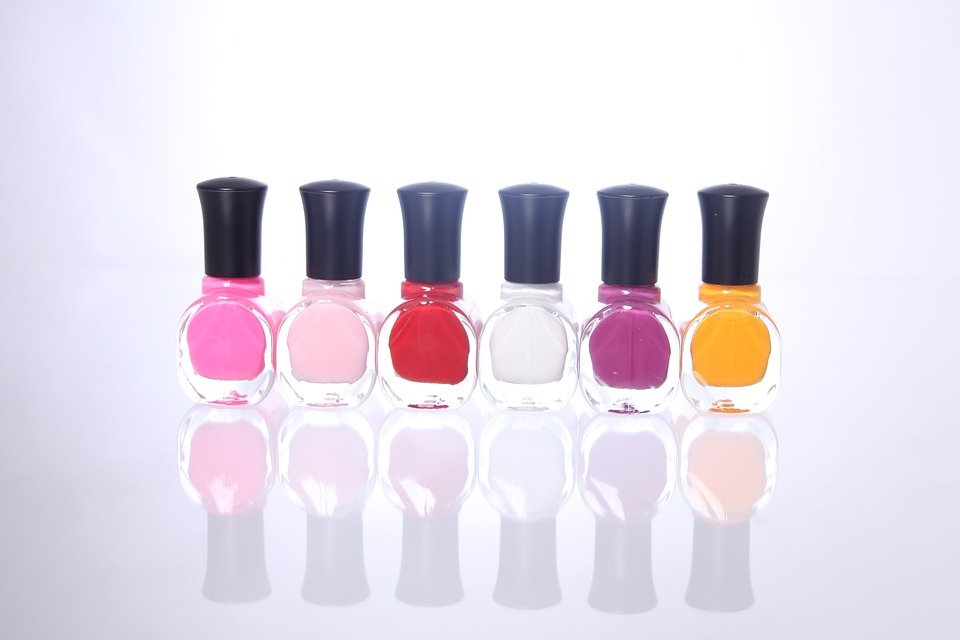
16. Shellac
This is commonly used in nail polish, and it comes from the secretion of the female lac beetle. Whilst you can find her secretions naturally on bark and just scrape them off, big companies don’t have time for that. So just boil the beetles alive, which gives them the shellac they need. Nasty!
Be aware that shellac is also found on ‘waxed’ apples, and in some candies.
_________________________________
Freaked out by all the animal ingredients in cosmetics? Us too!
Click here for a list of some of the best vegan beauty products around. And if you care about animals at all, please DO check the ingredients lists of all your cosmetic products, from soap to serums, to ensure no animal ingredients are in your beauty products.
After all, how can you feel beautiful knowing your cosmetics have come from the needless deaths of beautiful animals?

- Meet Ethical Fashion Designer Kelli Donovan - July 26, 2025
- 7 Of The Best Clean At Sephora Makeup Brands - July 13, 2025
- Eluxe Horoscopes For July 2025 - June 30, 2025