

You know what everyone gets wrong about going vegan?
They think those first few weeks will be torture. That you’ll spend every waking moment fighting cravings, mourning cheese, and desperately googling “what vegans eat for breakfast.” But after years of helping clients navigate major life transitions, I’ve discovered something surprising: the first month is actually your easiest window for change.
Think about it. When you’re learning to drive, that first month behind the wheel is when you’re most alert, most careful, most present. You haven’t developed bad habits yet. You’re not on autopilot. The same principle applies to dietary changes. Those initial weeks are your golden opportunity, before social pressures mount and old patterns reassert themselves.
I stumbled into this realization myself last year. After a particularly intense week of counseling sessions, I found myself staring at my third takeout container of the week, completely disconnected from what I was eating. My body felt heavy, my energy crashed every afternoon, and I realized I was treating food the same way some of my clients treat relationships: on autopilot, without intention.
1. The morning game-changer: overnight oats that actually satisfy
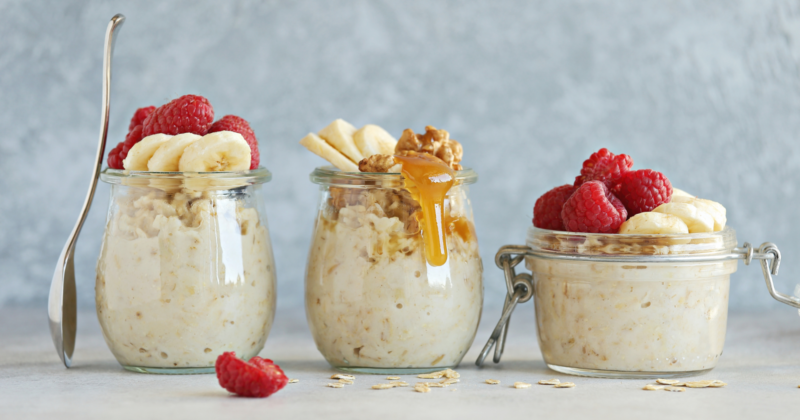
Let me share what transformed my mornings. Before my first client session, I used to grab whatever was fastest, usually something that left me hungry by 10 AM. Now? I prepare five jars of overnight oats every Sunday while reviewing my week ahead.
Here’s the combination that works: half a cup of oats, three-quarters cup of oat milk, a tablespoon of almond butter, sliced banana, and hemp seeds. The healthy fats keep you full, the complex carbs provide steady energy, and preparation takes literally two minutes per jar.
What makes this foolproof? Zero morning decisions. As someone who helps clients reduce decision fatigue in their relationships, I applied the same principle to breakfast. When your hardest choice is which jar to grab, you’ve already won the morning.
2. The lunch that ends afternoon crashes: chickpea power bowl
Remember that 3 PM slump that has you reaching for coffee or sugar? This bowl eliminated mine entirely. I roast a tray of chickpeas with cumin and paprika while catching up on my reading (currently diving into Brené Brown’s latest). They last all week and transform any salad into a proper meal.
The magic is in the tahini dressing: mix tahini with lemon juice, water, and a pinch of salt. Pour it over mixed greens, cucumber, tomatoes, and those roasted chickpeas. The protein and fiber combination maintains steady blood sugar, which means steady energy through afternoon sessions.
3. The soup that cooks itself: red lentil comfort
Every Wednesday evening, I make this while practicing yoga stretches in my kitchen. Sauté onion, garlic, and ginger. Add red lentils, diced tomatoes, vegetable broth, and coconut milk. Season with turmeric and let it simmer while you decompress.
Red lentils cook in twenty minutes and create natural creaminess without any dairy. This soup taught me something I now share with clients: comfort doesn’t require complexity. Sometimes the simplest solutions are the most sustainable.
4. The pasta that converts skeptics: cashew cream linguine
My husband was skeptical about plant-based eating until this dish. We make it together on Friday nights, phones tucked away, focusing on connection over cooking perfection. Soak cashews for an hour, then blend them with garlic, nutritional yeast, and pasta water until creamy.
Toss with whole grain pasta and wilted spinach. The cashew cream is richer than you’d expect, proving that satisfaction doesn’t require sacrifice. Like healthy boundaries in relationships, this dish shows that saying no to one thing (dairy) means saying yes to something equally wonderful.
5. The bowl that beats takeout: sweet potato and black bean fiesta
After long counseling days, the last thing I want is complicated cooking. This bowl comes together faster than delivery and costs a fraction of restaurant prices. Roast sweet potato cubes with smoked paprika while you decompress. Serve over rice with black beans, avocado, and salsa.
The combination of sweet and savory satisfies multiple cravings at once. I’ve noticed that clients who meal prep report similar benefits in therapy: when basic needs are met easily, there’s more energy for deeper work.
6. The stir-fry formula: tofu done right
Here’s what nobody tells you about tofu: press it first. Really press it. Use paper towels and something heavy. Then cube and pan-fry until golden. This creates texture that actually satisfies.
Add whatever vegetables need using up. My sauce formula never fails: soy sauce, maple syrup, rice vinegar, and sesame oil in equal parts. This flexibility mirrors what I teach about communication styles. Having a reliable framework allows for endless variation without stress.
7. The smoothie that replaces your second coffee
I used to need two cups of coffee before noon. Now I have one coffee, then this smoothie: spinach (you won’t taste it), banana, dates for sweetness, plant milk, and almond butter. The natural sugars from fruit provide energy without the crash.
Since limiting afternoon caffeine, my sleep quality has improved dramatically. Better sleep means more patience in sessions, clearer thinking, and ironically, more natural energy the next day.
8. The chili that brings people together
Once a month, I host a phone-free dinner. This three-bean chili feeds eight easily and nobody misses the meat. Sauté onions and peppers, add three types of canned beans, tomatoes, corn, and spices. Let it simmer while you set the table mindfully.
Watching meat-eating friends go back for seconds taught me something valuable: good food transcends dietary labels. When something tastes this satisfying, nobody cares what’s not in it.
9. The treat that keeps you on track
Perfection kills progress. I learned this both in my practice and my kitchen. These energy balls satisfy sweet cravings without derailment. Process dates, almonds, cocoa powder, and vanilla extract. Roll into balls, refrigerate.
Having these ready prevents the “I’ve been so good but now I need chocolate” spiral that derails so many dietary changes. Like self-compassion in therapy, these treats remind us that sustainable change includes pleasure.
Final thoughts
That first month of plant-based eating taught me what I’d been teaching clients for years: change feels overwhelming from the outside but surprisingly natural once you begin. These nine recipes aren’t just about food. They’re about creating structure that supports transformation.
You might have read my post on breaking self-sabotaging habits. The same principle applies here. We succeed not through willpower but through systems that make the healthy choice the easy choice.
Start with just one recipe. Pick whichever speaks to your immediate need. Maybe it’s the morning oats because mornings are chaos. Maybe it’s the soup because you need something warming. Let that one success build confidence for the next choice.
The beauty of these first thirty days? You’re not fighting decades of habit yet. You’re exploring with fresh curiosity. Your taste buds are adapting, your body is responding, and you haven’t yet encountered the holiday dinner negotiations or restaurant challenges that come later.
Use this window wisely. Batch cook on Sundays. Keep it simple. Remember that “good enough” beats perfect every time. And when you find yourself enjoying a chickpea more than you expected, smile at how wrong everyone was about this being the hard part.
The first month isn’t the challenge. The first month is your opportunity.

- Why the first month of going vegan is actually the easiest: 9 foolproof recipes that make the transition feel effortless - May 3, 2026
- 8 beginner fashion upcycling ideas that are genuinely achievable on a Sunday afternoon and genuinely worth doing - May 3, 2026
- If you want to succeed in life, but worry you’re not talented, start doing these 7 things every morning - August 14, 2025