

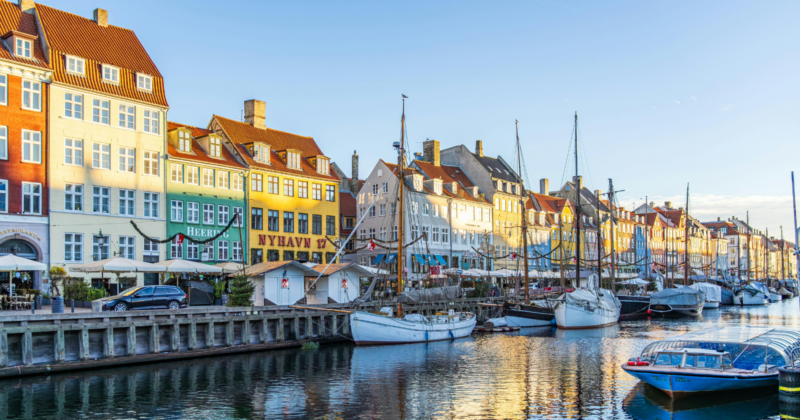
Ever wonder what it’s like to swim in harbor water clean enough to drink from, right in the middle of a bustling capital city? Copenhagen makes this possible, and it’s just one reason this Nordic gem keeps topping sustainability charts worldwide. As someone who’s spent years helping people build sustainable life patterns, I find Copenhagen’s approach fascinating because it mirrors what actually works in personal transformation: consistent small actions, supportive systems, and making the right choice the easy choice.
1. They’re actually becoming carbon neutral (while we’re still talking about it)
Copenhagen isn’t just setting ambitious goals for 2050 like most cities. They’re on track to become carbon neutral by 2025, having already slashed emissions by 42% since 2005. The secret? They treat energy like I encourage clients to treat their emotional reserves: nothing gets wasted. District heating warms 99% of buildings using waste heat from power plants. Even their trash becomes electricity. Walking through the city last summer, I noticed construction sites powered by renewable energy and buildings wrapped in solar panels. It’s not perfection, but it’s progress you can actually see.
2. Bikes outnumber cars (and cyclists get priority)
With 675,000 bikes to 120,000 cars, Copenhagen has flipped the transportation hierarchy. Traffic lights are timed for cyclists, not drivers. Snow gets cleared from bike lanes before roads. During rush hour, you’ll see parents hauling kids in cargo bikes, executives in suits pedaling to meetings, and elderly folks cruising electric bikes. The infrastructure makes cycling feel safer than walking. It reminds me of how good boundaries work in relationships: when the structure supports healthy choices, those choices become natural.
3. Every resident can walk to green space
No matter where you stand in Copenhagen, you’re within 300 meters of a park or green area. The city maintains 8,000 hectares of green spaces, including pocket parks squeezed between buildings and vast cemetery parks that double as recreation areas. Duncan Madden notes, “Copenhagen has been crowned the world’s most comfortable city to live in 2025, earning perfect scores for stability, education and infrastructure.” This intentional integration of nature into urban life creates breathing room that functions like scheduled breaks in a busy day.
4. The harbor became a swimming pool
Thirty years ago, Copenhagen’s harbor was too polluted to touch. Today, four harbor baths invite swimmers to dive into water that meets drinking standards. The transformation required massive infrastructure investment in sewage treatment and overflow reservoirs. Now, summer evenings find locals doing laps where cargo ships once dumped waste. It’s the urban equivalent of breaking codependent patterns: difficult work that creates space for joy.
5. Trash becomes treasure (literally)
Copenhagen sends less than 2% of waste to landfills. The Amager Bakke plant turns household trash into heating and electricity while doubling as a recreational facility with a ski slope on its roof. Organic waste becomes biogas for city buses. Bottles and cans go into reverse vending machines that return deposits. This circular thinking transforms problems into resources, much like reframing negative self-talk into growth opportunities.
6. Buildings grow gardens on top
Since 2010, all new buildings with roof slopes under 30 degrees must install green roofs. The city now has 200,000 square meters of rooftop gardens that absorb rainwater, reduce urban heat, and create habitat for birds and bees. Some roofs grow vegetables for restaurants below. Others offer community gathering spaces. It’s vertical thinking that maximizes every surface for life.
7. Climate adaptation is already happening
While other cities debate climate change, Copenhagen has invested €1.8 billion in adaptation. Blue-green infrastructure manages stormwater through parks that double as retention basins. Streets are being redesigned to channel flood water away from buildings. The city plans 300 projects to handle increased rainfall. They’re not waiting for perfect solutions; they’re building resilience now.
8. Everyone participates in the system
Copenhagen’s sustainability isn’t top-down or bottom-up; it’s both. Government creates infrastructure, businesses innovate solutions, and citizens actively participate. Apartment buildings have shared cargo bikes. Offices compete for green certifications. Schools teach sustainability as core curriculum. The collective commitment reminds me of healthy relationships where both partners invest equally in growth.
What conscious travelers should actually do there
Rent a bike your first morning. Not tomorrow, not after you get oriented. The city makes sense from a bike seat in ways it never will from a tour bus. Use the Donkey Republic app for flexible rentals or grab a Bycyklen electric city bike. Follow the flow: stay right, signal turns, and never stop in bike lanes. Morning rides around the lakes offer moving meditation better than any yoga class.
Stay somewhere that walks the talk. Green Key certified hotels like Hotel Kong Arthur use renewable energy and serve organic breakfasts. For budget options, Steel House Copenhagen runs entirely on renewable power and has a rooftop terrace for sunset watching. Book direct and ask about their sustainability practices.
Eat with intention at places like RefShaleBar, which creates menus from food surplus, or SimpleRAW for plant-based excellence. Visit Torvehallerne market on Saturday mornings for local produce and conversations with farmers. Pack a reusable water bottle; tap water here is cleaner than most bottled brands. Michele Robson observes that “Copenhagen is a city at the forefront of sustainability in Europe, but this doesn’t mean you have to forgo your indulgences.”
Take the harbor bus for scenic transport that locals actually use. Visit CopenHill to see waste-to-energy in action (and maybe ski down the side). Join a green kayak tour where you collect floating waste while paddling. Explore Refshaleøen, the former industrial island turned sustainable creative district.
Shop vintage at Prag or upcycled design at Værkstedet Nørrebro. Return bottles to pant machines for deposits. Join a community dinner at Absalon to meet locals who can share insider sustainability tips. Visit during Copenhagen Fashion Week in August to see sustainable fashion’s cutting edge.
Most importantly, observe how infrastructure shapes behavior. Notice how easy the city makes sustainable choices. Consider what elements you might advocate for back home. Take notes on systems, not just sights.
Final thoughts
Copenhagen proves sustainability isn’t about sacrifice; it’s about design. The city has created systems where the sustainable choice is the convenient choice, the affordable choice, often the only choice. This isn’t environmental extremism; it’s pragmatic urban planning that recognizes our collective future depends on present actions.
As conscious travelers, we can learn from Copenhagen’s approach while contributing positively during our visit. Support businesses aligned with these values. Use infrastructure respectfully. Share what you learn with others. The city offers a glimpse of urban life that prioritizes wellbeing over consumption, community over isolation, and long-term thinking over quick fixes.
What strikes me most about Copenhagen is how it mirrors successful personal transformation. Just as sustainable relationships require daily practices, clear boundaries, and mutual investment, sustainable cities need infrastructure, participation, and shared vision. Copenhagen shows us what’s possible when a community commits to change, then backs that commitment with action. The question isn’t whether other cities can replicate this model, but whether they have the courage to try.

- 8 reasons Copenhagen is the world’s most sustainable city and what conscious travellers should actually do when they get there - April 29, 2026
- The conscious home guide to living room essentials: 9 ethical, sustainable pieces that look beautiful and actually mean something - April 28, 2026
- 10 modern hairstyles for thin hair that look expensive, feel effortless, and work without a salon visit every three weeks - April 28, 2026