

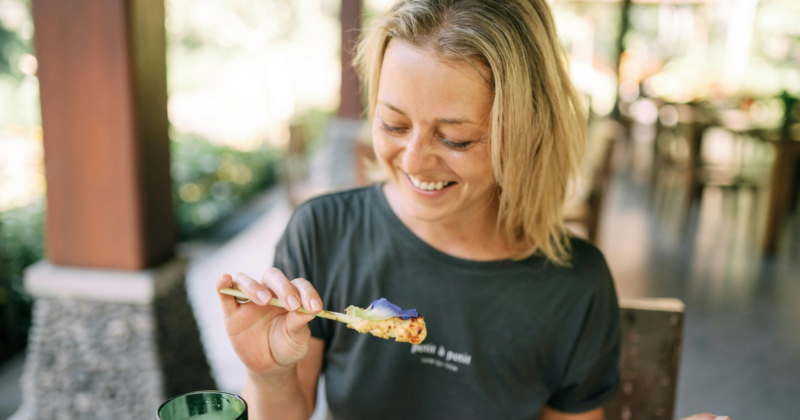
I caught the scent of cardamom and fresh dill wafting through Copenhagen’s morning air last spring, and something shifted in how I thought about conscious eating. Walking past a small café where locals lingered over rye bread topped with radishes and microgreens, I realized this city approaches food differently than anywhere I’d visited before.
As someone who spends her days helping people build healthier relationships, I’ve come to see how our food choices reflect our deepest values. Copenhagen taught me that eating consciously isn’t just about what’s on your plate. It’s about connection, sustainability, and finding joy in simplicity.
Why Copenhagen leads the plant-based movement
Copenhagen’s commitment to plant-based eating runs deeper than trendy restaurants. The city’s emphasis on sustainability shapes everything from government policy to neighborhood markets. I noticed how even traditional Danish spots offered creative vegetarian interpretations of classic dishes, making conscious eating accessible rather than exclusive.
The locals I met viewed plant-based eating as practical rather than political. One morning at a coffee shop near my hotel, I struck up a conversation with a woman who explained how her family naturally ate less meat simply because the vegetable dishes here taste incredible. No preaching, no pressure, just good food.
What struck me most was how seamlessly plant-based options integrated into daily life. Unlike other cities where finding vegan food feels like a treasure hunt, Copenhagen makes it effortless. Even convenience stores stock fresh hummus, sprouted grain sandwiches, and coconut yogurt.
Plant-based restaurants that changed my perspective
Let me tell you about Souls. Lonely Planet describes it perfectly: “Souls smashes the vegan food stereotype and serves up plant-based comfort food like burgers, pizza, and chilli, alongside inventive salads loaded with veggie goodness.”
I spent an afternoon there working on client notes, and their mushroom burger made me forget I wasn’t eating meat. The atmosphere felt unpretentious, filled with students, families, and business folks all enjoying hearty plant-based meals without making a statement about it.
Then there’s ARK, which completely reimagined what vegan dining could be. Condé Nast Traveler captures its essence: “ARK is on a mission to push the boundaries and show its guests what’s possible with meat-free cuisine. Everything here, from the food to the furniture, is totally vegan, sustainable, and locally sourced.”
My dinner at ARK felt like attending a thoughtfully curated art exhibition where you could eat the installations. Each course told a story about Danish ingredients transformed through fermentation, smoking, and techniques I’d never encountered. The beet tartare looked so convincing that the couple next to me double-checked they were at the right restaurant.
Plant Power Food became my reliable lunch spot between meetings. Their Buddha bowls packed enough protein and flavor to keep me energized through afternoon sessions. I loved how they labeled everything clearly, making it simple to grab something nutritious without lengthy explanations or special requests.
Organic markets where locals actually shop
Torvehallerne Market deserves your entire morning. Picture two glass halls filled with vendors selling everything from biodynamic vegetables to small-batch almond butter. I spent hours wandering, tasting samples, and learning Danish names for vegetables I’d never seen before.
One vendor taught me how to select the best seasonal produce by touch and smell rather than appearance. She explained how their ugly tomatoes often tasted better than the perfect ones, a metaphor that resonated with my counseling work about embracing imperfection.
The weekend markets at Israels Plads brought together local farmers who genuinely cared about their craft. I bought purple carrots from a farmer who explained his crop rotation system with the enthusiasm of someone sharing family photos. These conversations reminded me how food connects us to the earth and each other.
Unexpected vegan-friendly spots
Copenhagen surprised me with vegan options in unexpected places. Traditional Danish restaurants offered creative plant-based versions of smørrebrød. Neighborhood pizzerias served cashew-based mozzarella that melted perfectly. Even gas station convenience stores stocked fresh salads and plant-based sandwiches.
42Raw became my post-yoga sanctuary. Their cold-pressed juices and energy balls provided clean fuel without the sugar crash. The minimal design and quiet atmosphere created space for reflection between busy days.
Café Kaf, tucked near the lakes, served the best oat milk cortado I’ve ever tasted. Their chickpea scramble on sourdough proved that vegan breakfast could be both satisfying and Instagram-worthy. I returned three times during my stay, each visit revealing new menu discoveries.
Planning your conscious eating journey
Start by downloading HappyCow before you arrive. This app saved me countless hours and pointed me toward hidden gems I would have missed otherwise. Mark your must-visit spots but leave room for spontaneous discoveries.
Book dinner reservations at least three days ahead for popular spots like Bistro Lupa and Restaurant Gemyse. These restaurants fill up quickly, especially on weekends. Consider lunch visits for a more relaxed experience and often the same menu at lower prices.
Learn the phrase “jeg spiser plantebaseret” (I eat plant-based). While most Copenhageners speak excellent English, making an effort in Danish opens doors and hearts. Restaurant staff appreciated my attempts and often shared off-menu suggestions.
Pack snacks for long walking days. While plant-based options abound, having backup nuts or energy bars prevents hunger-driven poor choices. Copenhagen’s a walking city, and you’ll need fuel for all that exploration.
Making conscious eating part of your travel
Copenhagen taught me that conscious eating while traveling doesn’t mean sacrifice or stress. The city’s approach feels natural, integrated into daily life rather than treated as something special or difficult.
I noticed how meals here encouraged presence. People lingered over lunch, phones tucked away, actually tasting their food. This mindful approach to eating aligned with practices I teach clients about slowing down and paying attention.
The emphasis on seasonal, local ingredients reminded me that conscious eating connects us to place and time. Each meal told a story about Danish soil, climate, and tradition, even when completely plant-based.
Final thoughts
Copenhagen shifted my understanding of what conscious eating could look like in a modern city. It’s not about perfection or purity but about making thoughtful choices that align with your values while still enjoying the pleasure of good food.
Whether you’re fully plant-based or simply plant-curious, Copenhagen offers a template for how cities can make sustainable eating accessible, delicious, and normal. The memories of those meals, the conversations with vendors, and the simple joy of a perfect Danish strawberry in season continue to influence how I eat at home.
Plan your trip with an open mind and empty stomach. Copenhagen’s conscious eating scene offers more than restaurants and markets. It provides a glimpse into a future where eating well for ourselves and the planet feels less like work and more like pleasure.

- 9 vegan baby food recipes that make plant-based weaning feel achievable rather than overwhelming - April 26, 2026
- How to eat consciously in Copenhagen: the plant-based restaurants, organic markets, and vegan-friendly spots worth planning your trip around - April 26, 2026
- 10 sustainable living room buys that are genuinely worth the investment: beautiful, ethical, and built to outlast every trend that follows them - April 25, 2026