

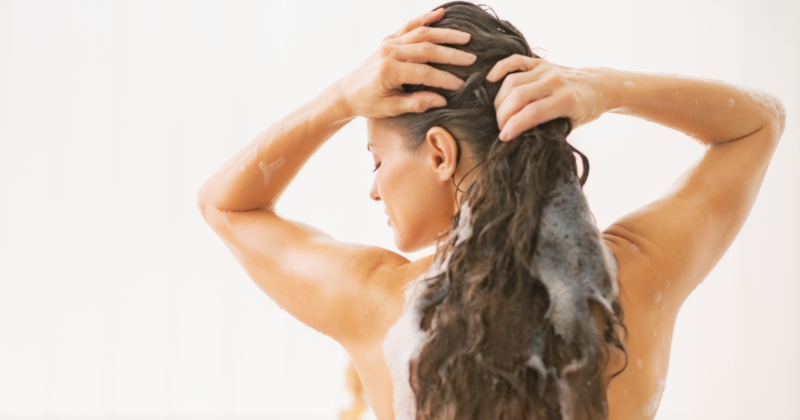
For years, I battled with my fine hair like it was my personal nemesis. Every morning, I’d wake up to strands plastered against my scalp, and by lunchtime, my roots looked like I’d run a marathon. I tried everything: volumizing mousses that left my hair crunchy, texturizing sprays that made it feel like straw, and yes, enough dry shampoo to stock a small salon.
Nothing worked. Then, during a particularly stressful period when I was juggling back-to-back counseling sessions while finishing my book, my hair hit rock bottom. It wasn’t just flat anymore; it was thinning, breaking, and making me look as exhausted as I felt.
That’s when I decided to approach my hair problem the same way I help clients tackle relationship issues: by stripping everything back to basics and rebuilding from scratch. What I discovered changed not just my hair, but my entire approach to self-care.
The problem wasn’t my hair type, it was my hair routine
Dr. Engelman, a dermatologist, points out that “Fine hair is the most delicate and fragile hair type.” Reading this was my lightbulb moment. I’d been treating my delicate strands like they were coarse, resilient hair, bombarding them with harsh cleansers and heavy products.
Think about it: would you wash silk the same way you wash denim? Of course not. Yet that’s exactly what I was doing to my hair. Every day, I’d lather up with clarifying shampoo (because fine hair gets oily, right?), pile on conditioner from root to tip, and then wonder why my hair looked limp and lifeless by noon.
The pre-wash ritual that changed everything
Before I even turn on the shower now, I spend five minutes massaging my scalp with my fingertips. Not scratching, not rubbing vigorously, just gentle circular motions that get the blood flowing. I discovered this during a particularly enlightening yoga class where the instructor talked about stimulating circulation through gentle touch.
This simple act loosens any product buildup and natural oils without being aggressive. It’s become my transition ritual, shifting from whatever stress the day brought to a moment of intentional self-care. Sometimes I’ll think through a challenging client session, other times my mind goes completely blank. Both are equally valuable.
Why I ditched the double shampoo (mostly)
You know that squeaky-clean feeling after shampooing twice? Turns out, that squeak is your hair crying for help. I used to pride myself on that sensation, thinking it meant my hair was truly clean. Wrong. It meant I’d stripped every protective oil from my strands, leaving them vulnerable and desperate to overproduce sebum to compensate.
Now, I use clarifying shampoo just once a week, and only on my scalp. The rest of the time, it’s a gentle, sulfate-free formula that cleans without stripping. I apply it only to my roots, letting the suds naturally cleanse the lengths as they rinse out. My hair doesn’t squeak anymore, but it’s actually cleaner than it’s ever been.
The cold water commitment
Switching from hot to cold water for my final rinse felt like torture at first. I’m someone who loves a steaming shower, especially after long days of holding space for clients’ emotions. But just like learning to sit with uncomfortable feelings in therapy, I learned to breathe through those thirty seconds of cold water.
The payoff? My hair cuticle seals flat, creating natural shine and reducing frizz. It’s like giving your hair a protective shield before facing the day. Now, that brief cold rinse has become a moment of accomplishment, a small daily challenge conquered before breakfast.
Conditioning: Less really is more
Here’s where I made my biggest mistake for years: slathering conditioner from root to tip, thinking more moisture meant healthier hair. For fine hair, this is like wearing a winter coat in summer. You’re just weighing everything down.
Now I apply a lightweight conditioner only from mid-length to ends, completely avoiding my scalp. While it sits for three minutes, I do breathing exercises I learned from reading Brené Brown’s work on vulnerability. It turns waiting time into restoration time, caring for my inner and outer self simultaneously.
The microfiber game-changer
Swapping my regular terry cloth towel for a microfiber hair wrap felt silly at first. Was I really buying into another beauty gimmick? But the science convinced me: microfiber’s smoother surface creates less friction, meaning less frizz and breakage.
I keep three in rotation now, washing them with my delicates every week. That rough towel-rubbing motion I used to do? Gone. Now I gently squeeze excess water out and wrap my hair up while I do my skincare routine. It’s gentler than my old method and actually works faster.
My strategic air-dry schedule
Three days a week, I let my hair air-dry completely. No heat, no styling tools, just my natural texture doing its thing. On days when I have morning clients or workshops, I’ll use my blow dryer on the cool setting only, keeping it at least six inches from my hair.
This schedule wasn’t random. I aligned it with my work week, choosing air-dry days when I work from home or have afternoon appointments. It’s about working with my life, not against it.
The weekly reset ritual
Every Sunday evening, while my husband reads and I’m enjoying my tech-free time, I do an apple cider vinegar rinse. One part vinegar to three parts water, applied before shampooing. It sounds like something from my grandmother’s era, but it removes buildup better than any clarifying treatment I’ve tried.
This ritual has become sacred time for me. While the vinegar sits, I reflect on the week past and set intentions for the week ahead. It’s physical and mental cleansing happening simultaneously.
What six weeks brought me
The transformation wasn’t overnight, but by week six, the changes were undeniable:
My hair had actual body that lasted through entire twelve-hour days. The dreaded oily roots and dry ends cycle completely stopped. I could go three full days between washes without looking unkempt. Most surprisingly, my hair felt thicker, even though the individual strands hadn’t changed at all.
But here’s what really struck me: I stopped constantly touching my hair. That nervous habit of tucking, smoothing, and adjusting disappeared because I actually trusted how my hair looked.
Final thoughts
If you’re reading this with flat, fine hair that seems immune to every product promise, I get it. I spent years and probably thousands of dollars chasing volume in a bottle. The truth is, fine hair doesn’t need more products or complicated routines. It needs gentle, consistent care that works with its delicate nature, not against it.
Start with just one change. Maybe it’s switching to a microfiber towel or trying that cold water rinse. Just like the small shifts I encourage in my counseling practice, tiny changes practiced consistently can transform your relationship with your hair.
The biggest lesson? Sometimes the answer isn’t adding more to our routines or our lives. Sometimes it’s about understanding what we already have and treating it with the respect it deserves. My fine hair taught me that, and I’m grateful for the lesson every time I catch my reflection and actually like what I see.

- The clean haircare routine that genuinely changed the volume and health of my fine hair (and it has nothing to do with dry shampoo) - April 18, 2026
- 10 classic French patisserie recipes made entirely vegan, and impossible to tell the difference - April 18, 2026
- 15 easy vegan breakfast recipes that are ready in under 15 minutes and actually keep you full until lunch - April 17, 2026