

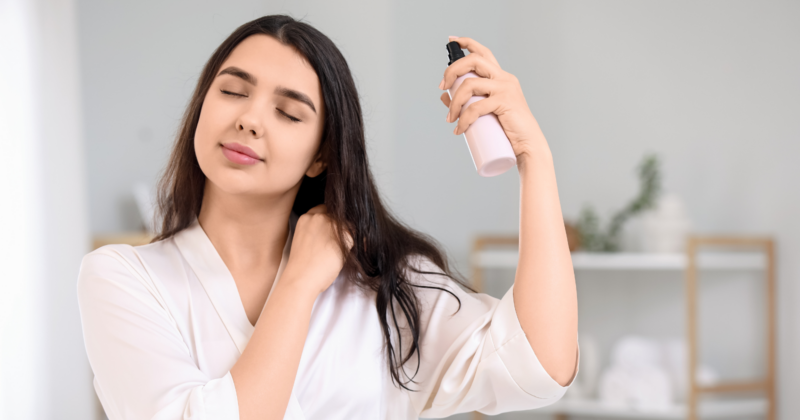
Have you ever wondered why your hair still feels damaged despite switching to clean beauty products?
Here’s what most people get wrong: buying clean products isn’t enough if you’re still using them the wrong way. After years of counseling clients through major life changes, I’ve noticed how the smallest overlooked habits often create the biggest transformations. The same principle applies to clean beauty hair care.
Last month, a client mentioned how she’d spent hundreds on organic hair products but still struggled with dryness and breakage. Sound familiar? The products weren’t the problem. Her habits were. Just like in relationships, having the right tools means nothing if you don’t know how to use them effectively.
So let’s talk about the clean beauty habits that actually move the needle, and more importantly, the ones you’re probably missing without even knowing it.
1. Reading every single ingredient label
Do you actually read the back of your hair products, or do you trust the “clean” label on the front?
Most people grab products based on marketing claims, completely missing sulfates hiding behind fancy names like “sodium laureth sulfate” or synthetic fragrances masquerading as “parfum.” I learned this the hard way when a supposedly natural shampoo left my scalp irritated for weeks. Now I keep a screenshot of harmful ingredients on my phone. Takes five seconds to check and saves hours of frustration later.
The ingredients to avoid? Sulfates, parabens, phthalates, formaldehyde, and synthetic fragrances. If you see these, put the bottle back.
2. The weekly scalp detox nobody talks about
Your scalp is skin, and like the skin on your face, it needs regular deep cleaning. Product buildup suffocates follicles and blocks new growth, yet most people never address it.
Once a week, before shampooing, massage diluted apple cider vinegar or a clean clarifying treatment into your scalp for five minutes. I do this on Sunday evenings while listening to a podcast. The massage increases blood flow while the treatment removes buildup that regular shampoo can’t touch.
Skip this step and all those expensive clean products sit on top of buildup instead of actually nourishing your hair.
3. Switching pillowcases (but not to what you think)
Cotton pillowcases are secretly sabotaging your hair every single night. The friction creates tangles, breakage, and strips moisture from your strands.
Silk or satin pillowcases reduce friction by up to 43%, according to Slip. After making the switch three years ago during my self-care overhaul, I noticed fewer tangles, less breakage, and my hairstyles actually lasted longer. Plus, they feel luxurious, which never hurts when you’re trying to prioritize rest.
Can’t afford silk? A satin bonnet or hair wrap works just as well and costs under $10.
4. Pre-shampoo oil treatments
“Oil before washing? That seems backwards!”
That’s what I thought too, until I understood the science. Shampoo, even clean formulas, strips natural oils from your hair. Pre-oiling creates a protective barrier that prevents excessive moisture loss.
Apply coconut, argan, or jojoba oil to dry hair 30 minutes before washing. Focus on the lengths, not the scalp. I do this while preparing dinner, letting the oil work while I chop vegetables. This single habit transformed my dry ends into soft, manageable hair within a month.
5. The cold water rinse everyone avoids
Nobody wants to end a warm shower with cold water, but hear me out.
A 30-second cold rinse seals your hair cuticles, locking in moisture and creating natural shine. Think of it like sealing an envelope. Without it, the cuticle stays open, letting moisture escape and frizz take over.
I know it’s uncomfortable. Start with lukewarm water and gradually make it cooler. Your hair will thank you with shine that no product can replicate.
6. Actually air drying your hair
How often do you reach for the blow dryer because you’re running late?
Heat damage accumulates over time, weakening your hair structure permanently. Schedule wash days when you have time to air dry, at least partially. I wash my hair on evenings when I’m staying in, letting it dry naturally while I read or catch up on emails.
When you must use heat, always apply a clean heat protectant first and keep the temperature on medium or low. High heat might dry faster, but it literally cooks the protein structure of your hair.
7. The microfiber towel switch
Regular terry cloth towels rough up your hair cuticles, creating frizz and breakage most people blame on humidity or genetics.
Microfiber towels or even old cotton t-shirts absorb water without the aggressive friction. Since switching two years ago, my styling time has decreased because I’m not fighting unnecessary frizz from the start.
Squeeze excess water gently, then wrap hair in the microfiber towel for 10 minutes. No rubbing, no aggressive drying. Just gentle absorption.
8. Monthly protein-moisture balance checks
Your hair’s needs change with seasons, stress levels, and hormonal fluctuations, yet most people use the same routine year-round.
Once a month, do a simple strand test. Take a wet strand of hair and gently stretch it. If it stretches far and doesn’t return to its original length, you need protein. If it snaps immediately with little stretch, you need moisture.
I check mine on the first Sunday of each month, adjusting my product rotation based on what my hair tells me, not what the calendar says.
The habits everyone misses
Never cleaning hair brushes: Dirty brushes redistribute old oils, dead skin, and product buildup right back onto clean hair. Wash them monthly with gentle shampoo. Set a phone reminder if you need to.
Using way too much product: More doesn’t equal better results. Start with a dime-sized amount and add more only if needed. Most people use three times what they actually need.
Ignoring water quality: Hard water deposits minerals that block nutrients from penetrating your hair shaft. A $30 shower filter can transform your results more than any $50 hair mask.
Holding onto damaged ends: Split ends travel upward, damaging healthy hair. Schedule trims every 8-12 weeks. Think of it as preventive maintenance rather than a luxury.
Not protecting hair during exercise: Sweat contains salt that dries out hair. Use a loose silk scrunchie and rinse with water post-workout if you can’t wash immediately.
Final thoughts
Real change happens through consistency, not perfection. Pick two or three habits that resonate with your lifestyle and practice them for a month before adding more.
Remember, clean beauty is a journey of small, intentional choices. Every ingredient label you read, every cold water rinse you endure, every silk pillowcase night adds up. These aren’t just hair care habits; they’re acts of self-respect that ripple into how you show up in every area of your life.
Your hair reflects your overall health and the care you give yourself. When you prioritize these overlooked habits, you’re not just improving your hair. You’re building a foundation of mindful self-care that extends far beyond your beauty routine.
What habit will you start with this week?

- Everything from croissants to crème brûlée: 8 vegan French patisserie recipes that are worth every minute they take - April 20, 2026
- 10 plant-based breakfasts that prove eating consciously in the morning doesn’t have to be complicated or time-consuming - April 20, 2026
- 9 curly hairstyles that look effortlessly beautiful without the damage: the clean beauty routine that keeps them that way - April 20, 2026