

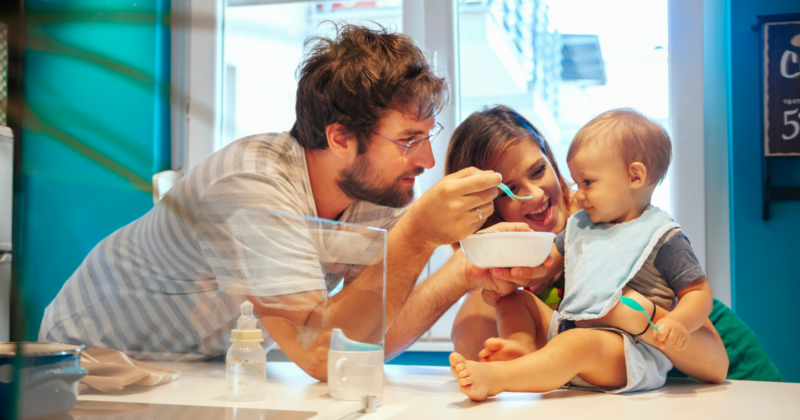
Looking at a rainbow of baby food pouches at the grocery store, have you ever wondered if there’s a simpler way to nourish your little one?
When my best friend called me in tears last week, overwhelmed by conflicting advice about starting solids with her six-month-old, I realized how unnecessarily complicated we’ve made baby feeding. Between my years counseling families through major transitions and my own journey toward mindful, plant-based living, I’ve discovered that the most nourishing first foods are often the simplest ones sitting right in our produce drawer.
The truth is, you don’t need fancy equipment or complicated recipes to give your baby an excellent nutritional foundation. These eight plant-based foods have stood the test of time across cultures, and each one takes less than 10 minutes to prepare.
1. Avocado: nature’s perfect first food
Is there anything more satisfying than watching your baby’s face light up at that first taste of creamy avocado?
This green gem requires zero cooking. Simply mash half a ripe avocado with a fork until smooth. The texture is ideal for babies just learning to swallow, and those healthy fats are exactly what developing brains crave. A pediatric nutritionist once told me that avocado’s fatty acid profile closely mirrors breast milk, which explains why so many babies take to it instantly.
Quick tip: Leave the pit in the unused half and cover tightly with plastic wrap. It’ll stay fresh for tomorrow’s meal. Some parents mix in a tiny bit of breast milk or formula to thin the consistency for younger babies.
2. Sweet potato: the comfort food starter
Sweet potatoes have this magical ability to appeal to babies’ natural preference for sweet flavors while packing serious nutrition. Pierce one with a fork and microwave for 5-7 minutes, or roast at 400°F for 45 minutes if you prefer. Once it’s soft enough to easily pierce with a fork, scoop out the flesh and mash with a splash of liquid.
The beta-carotene content supports eye development and immune function. During my Sunday meal prep sessions (a ritual I adopted after reading about batch cooking), I often roast three or four sweet potatoes at once. I portion them into ice cube trays and freeze, creating a two-week supply in one go.
3. Banana: the travel-friendly option
Here’s what I love about bananas: they come in their own biodegradable packaging and require absolutely no preparation beyond peeling and mashing. Choose bananas with small brown spots for optimal sweetness and digestibility. The riper the banana, the easier it is for tiny tummies to process.
Mash about one-third of a banana with a fork right before serving. The potassium supports muscle development, while natural prebiotics feed beneficial gut bacteria. I’ve recommended this to countless exhausted parents who needed something nutritious they could prepare with their eyes closed at 3 AM.
4. Butternut squash: the immune booster
Butternut squash might seem intimidating, but it’s actually quite forgiving. Cut it in half lengthwise, scoop out the seeds, and place face-down on a baking sheet. Roast at 400°F for 40 minutes. The flesh practically falls out of the skin when it’s done.
The vitamin A content rivals sweet potatoes, and the mild, slightly nutty flavor introduces gentle variety. One large squash yields enough for about 15 baby meals. I discovered this after a client shared her grandmother’s approach to seasonal eating, which emphasized preparing abundant batches when produce was at its peak.
5. Green peas: the protein powerhouse
Frozen peas have saved dinner more times than I can count. Steam them for just 5 minutes, then blend with a splash of cooking water until smooth. For babies under 8 months, strain the mixture through a fine mesh sieve to remove any stubborn skins.
What surprises most parents? Peas contain more protein per serving than many other vegetables, making them excellent for supporting growth spurts. Having a bag in the freezer eliminates the stress of fresh produce timing, something I learned while helping families create sustainable meal routines.
6. Oatmeal: the sustaining start
Homemade oat cereal beats store-bought versions every time. Grind old-fashioned oats in a blender until they become a fine powder. Mix one tablespoon of oat powder with three tablespoons of water or milk, then cook for 5 minutes, stirring constantly to prevent lumps.
Iron becomes crucial around six months when babies’ stores from birth begin depleting. This simple porridge addresses that need while providing sustained energy. The ritual of morning oatmeal has become a grounding practice in many families I work with, creating predictable comfort during the sometimes chaotic early years.
7. White beans: the gentle legume
Canned white beans are the unsung heroes of baby nutrition. Choose low-sodium varieties, rinse thoroughly, then blend with enough water to create a creamy consistency. Their mild flavor makes them perfect for mixing with other foods once your baby masters single ingredients.
The zinc content supports immune function and wound healing, while the smooth texture appeals to texture-sensitive babies. I started keeping cans in my pantry after realizing how many parents struggled to incorporate plant-based proteins into their babies’ diets.
8. Pear: the digestive soother
Pears offer gentle sweetness with digestive benefits. Peel and core ripe pears, cut into chunks, then steam for 8 minutes until fork-tender. Mash or blend depending on your baby’s stage. The soluble fiber helps regulate digestion, particularly helpful during the transition to solid foods.
Choose very ripe pears that give slightly when pressed near the stem. Their natural sweetness increases as they ripen, requiring no added sweeteners. This fruit became a staple recommendation after several families in my practice reported how pears helped ease constipation issues common with starting solids.
Final thoughts
Starting solids doesn’t have to be overwhelming. These eight foods provide complete nutrition while respecting both your time and your baby’s developmental needs. Begin with one new food every 3-4 days, watching for any reactions while gradually building variety.
Remember that feeding your baby is about more than nutrition. Each spoonful is an opportunity for connection, discovery, and joy. Some days will be messier than others, and that’s perfectly fine. Trust your instincts, follow your baby’s cues, and know that these simple, wholesome foods are giving your little one an excellent start.
What matters most isn’t perfection but presence. These plant-based options prove that the best first foods are often the simplest ones, prepared with love and served with patience.

- The conscious wedding guest’s guide to gifting: 8 sustainable fashion and jewellery pieces the couple will still treasure in 20 years - April 28, 2026
- 8 plant-based first foods for babies that are as nourishing as they are simple to prepare - April 28, 2026
- The most sustainable ways to travel through Switzerland: from alpine trains to car-free villages that make slow travel feel like the only sensible choice - April 27, 2026