

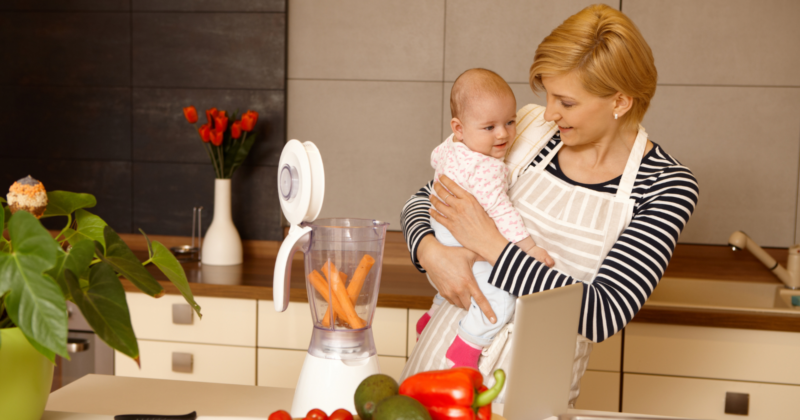
Looking at my kitchen counter covered in baby food jars last week, I couldn’t help but think about how many parents struggle with the same dilemma. You want to give your little one the best nutrition possible, maybe you’re committed to a vegan lifestyle, but the thought of making baby food from scratch feels overwhelming. Between sleepless nights and endless laundry, who has time for complicated recipes?
Here’s what I’ve learned from years of conversations with exhausted parents in my practice and my own journey collecting simple recipes from friends who’ve been there: making nutritious vegan baby food doesn’t have to involve special equipment, exotic ingredients, or hours in the kitchen. These ten recipes use everyday ingredients you probably already have, take minutes to prepare, and provide all the essential nutrients your growing baby needs.
1. Sweet potato and white bean mash
This combination became my go-to recommendation after a client shared how her baby devoured it daily for months. Steam one cup of diced sweet potato until fork-tender, about 12 minutes. Add a quarter cup of cooked white beans and two tablespoons of fortified plant milk. Mash everything together until smooth.
The natural sweetness of sweet potato appeals to babies while providing vitamin A and complex carbohydrates. White beans deliver iron and protein, crucial for growing bodies. You can make a big batch on Sunday and portion it out for the week. Total prep time? About 15 minutes for four servings.
2. Avocado spinach bowl
Sometimes the simplest recipes pack the biggest nutritional punch. Blend half a ripe avocado with a handful of steamed spinach leaves and one tablespoon of ground flax seeds. Add breast milk or formula to reach your desired consistency.
This green powerhouse takes five minutes to make and provides healthy fats essential for brain development, iron from spinach, and omega-3s from flax. The creamy texture works perfectly for babies just starting solids. Makes two servings that you can serve immediately since avocado browns quickly.
3. Red lentil and carrot porridge
Cook a quarter cup of red lentils with one diced carrot in one cup of fortified plant milk. Let it simmer for about 15 minutes until everything becomes soft and mushy. Blend until smooth and add a tiny pinch of turmeric.
Red lentils cook faster than other legumes and provide complete protein when combined with grains throughout the day. The carrots add beta-carotene while turmeric offers anti-inflammatory benefits. This makes six servings and freezes beautifully in ice cube trays.
4. Quinoa banana breakfast
Mix a quarter cup of cooked quinoa with half a mashed banana, one tablespoon of almond butter, and a dash of cinnamon. Thin with plant milk if needed. This breakfast delivers all essential amino acids from quinoa, healthy fats from almond butter, and potassium from banana.
The natural sweetness means no added sugars necessary. It takes just 10 minutes if you have leftover quinoa from dinner. Makes two servings perfect for breakfast and an afternoon snack.
5. Chickpea pumpkin puree
Blend a quarter cup of cooked chickpeas with half a cup of roasted pumpkin and one teaspoon of tahini. Add plant milk to achieve your preferred consistency. This fall-inspired combination offers protein, zinc, calcium, and vitamin A.
The earthy sweetness appeals to developing taste buds while tahini adds healthy fats and calcium. Roast the pumpkin while you’re making dinner, and assembly takes just 12 minutes. Makes four servings.
6. Tofu vegetable scramble
Crumble two ounces of silken tofu and sauté with finely diced bell pepper and zucchini in a bit of olive oil. Sprinkle in some nutritional yeast for B12. This protein-rich meal introduces varied textures perfect for babies learning to self-feed.
Silken tofu provides complete amino acids while being gentle on developing digestive systems. The vegetables add vitamins and fiber. Eight minutes from pan to plate, making two servings.
7. Oat and berry smoothie bowl
Blend two tablespoons of rolled oats (soaked for easier digestion), a quarter cup of mixed berries, one tablespoon of hemp hearts, and fortified plant milk. The vibrant purple color naturally engages babies while delivering antioxidants, fiber, omega-3s, and vitamin C.
Hemp hearts add complete protein without common allergens. Takes five minutes and makes two servings. Serve immediately to preserve vitamin content.
8. Green pea and mint mash
Steam one cup of frozen peas with two fresh mint leaves for about four minutes. Blend with one tablespoon of coconut milk and fortified plant milk. This refreshing combination surprised me when a friend suggested it, but babies love the naturally sweet peas with a hint of mint.
Peas provide protein and iron while mint aids digestion. The bright green color stimulates visual interest. Six minutes total for three servings.
9. Millet apricot porridge
Cook two tablespoons of millet flour in one cup of fortified plant milk with two dried apricots that you’ve soaked and chopped. Stir constantly until thick, then add ground almonds for extra nutrition.
Millet introduces a new grain that’s easy to digest and rich in B vitamins. Dried apricots provide iron and natural sweetness. Ten minutes for four servings that reheat well.
10. Black bean and sweet corn blend
Mash a quarter cup of cooked black beans with a quarter cup of sweet corn, one teaspoon of olive oil, and a tiny pinch of cumin. Leave it slightly chunky for babies ready to explore texture.
Black beans deliver protein and folate while corn adds natural sweetness and fiber. The mild introduction to spices helps develop adventurous eaters. Seven minutes for three servings.
Final thoughts
Every recipe here includes fortified plant milk to ensure adequate B12, vitamin D, and calcium. Always discuss supplementation with your pediatrician, particularly for vitamin B12, vitamin D, and iron on a vegan diet.
Remember to introduce new foods one at a time, waiting three to four days between introductions to monitor for allergies. Store prepared foods in glass containers for up to three days refrigerated, or freeze in ice cube trays for up to three months.
These recipes grow with your baby. Start with smooth purees and gradually increase texture as they develop. Add healthy fats like olive oil, nut butters, or tahini to boost calories since babies need energy-dense foods.
Making your own baby food doesn’t mean spending hours in the kitchen or buying special equipment. With these simple recipes, you’re providing optimal nutrition while keeping preparation genuinely manageable. Trust your instincts, stay flexible, and remember that feeding is about nourishment and connection, not perfection.

- 10 vegan baby food recipes that are nutritionally complete and genuinely easy to make from scratch - April 30, 2026
- There’s a version of people-pleasing nobody warns you about — the one where you’re so good at it that everyone, including you, mistakes it for your personality - April 30, 2026
- 8 reasons Copenhagen is the world’s most sustainable city and what conscious travellers should actually do when they get there - April 29, 2026