

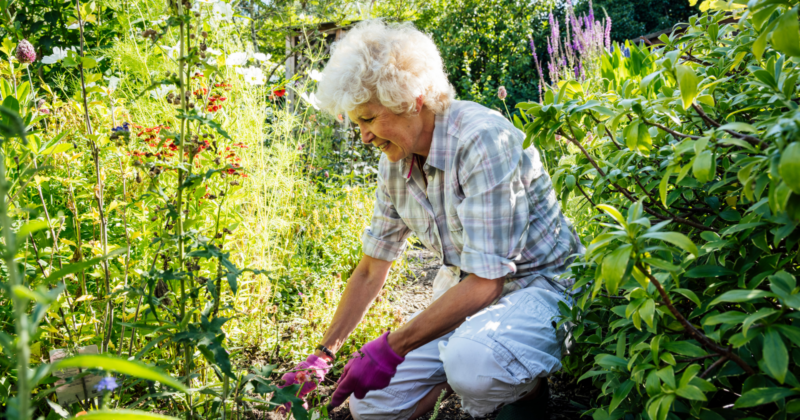
Three years ago, I stood in my backyard holding a tray of native seedlings, watching a lone bee struggle with the dying lavender I’d planted years earlier. The rest of the garden was mostly lawn and a few ornamental shrubs that looked nice enough but offered nothing to the wildlife trying to survive in suburbia. That bee changed everything.
I’d been reading about habitat loss, about insect populations crashing, about birds disappearing from urban areas. But watching that bee work so hard for so little made it personal. Within a week, I’d ripped out half the lawn and started planting specifically for the creatures who needed it more than I needed another patch of grass to mow.
The garden became a pharmacy and a pantry
The first thing I learned was that birds and bees don’t want what garden centers typically sell. They need native plants that have evolved alongside them for thousands of years. So out went the roses and in went the grevilleas, banksias, and bottlebrush. I planted dense shrubs of westringia and correas along the fence line. Added layers of groundcovers like native violets and lomandra grasses.
Within six months, the blue-banded bees found my place. Then the teddy bear bees. Native stingless bees built a hive in the old fence post I’d left standing. The honeyeaters arrived first among the birds, then the rainbow lorikeets, the noisy miners, and even a pair of kookaburras who now visit every morning.
But here’s what surprised me: the garden became easier to maintain, not harder. Native plants don’t need the constant watering and fertilizing that exotic plants demand. They’re adapted to our soil, our rainfall patterns, our climate. I went from watering three times a week to barely watering at all except in extreme heat.
My relationship with control had to change
For decades as a nurse, control meant safety. Precise medication doses, strict hygiene protocols, careful monitoring of vital signs. You don’t improvise in healthcare. But a wildlife garden demanded I loosen my grip.
I had to accept holes in leaves where caterpillars fed. Had to leave seed heads standing instead of deadheading everything. Had to let parts of the garden get messy because that’s where small birds shelter and insects overwinter. The first time I saw my “perfect” kangaroo paw shredded by king parrots gathering nesting material, I nearly reached for the pruning shears. Then I watched them fly to the big eucalyptus next door, beaks full of my plant fibers, building their future.
That’s when I understood: this wasn’t my garden anymore. I was just the caretaker.
The morning routine that replaced my anxiety medication
Before the garden transformation, mornings meant coffee, news, and a growing knot in my stomach about the day ahead. Now I take my coffee outside and sit for twenty minutes just watching. The lorikeets arrive in a screeching cloud around 6:30, diving into the bottlebrush flowers. The blue wrens hop through the understory hunting insects. The bees start work as soon as the sun hits the garden.
This isn’t meditation in any formal sense. I don’t sit in lotus position or focus on my breathing. I just watch. But something about witnessing all this life carrying on, completely indifferent to my human dramas, settles something in me that no amount of positive self-talk ever could.
Last month, after a particularly difficult shift where we lost a patient I’d been caring for over two years, I came home and just sat in the garden until dark. The birds fed their young. The bees collected pollen. Life insisted on continuing, and somehow that was exactly what I needed to remember.
What the bees taught me about purpose
Every bee that visits my garden has about six weeks to live. Six weeks. They spend it flying from flower to flower, covered in pollen, working until they literally can’t anymore. No existential crisis, no questioning their purpose, no wondering if they should have been butterflies instead.
Watching them made me reconsider my own approaching retirement. I’d been anxious about it, wondering who I’d be without my nursing identity. But the bees just do what they’re built to do until they can’t. They don’t retire. They don’t have identity crises. They just contribute what they can while they can.
Now when people ask about my retirement plans, I tell them I’m going to keep working my two days a week as long as my body allows, keep volunteering at the community kitchen on Saturdays, keep growing this garden. Not because I should, but because like those bees, I’m built to be useful. The garden just helped me see it clearly.
The unexpected social connections
A garden full of birds is a magnet for neighbors. People I’d only nodded to for years started stopping to watch the lorikeets. Kids pressed against the fence asking about the blue bees. One elderly neighbor now brings her morning coffee over twice a week just to sit and watch with me.
My grandson thinks I’m some kind of wildlife wizard. When he visits, we count bee species and identify bird calls. He knows that the rainbow lorikeets love the bottlebrush nectar and that you never disturb a blue wren’s nest. He’s learning what my father taught me at the rock pools all those years ago: that paying attention to small wild things makes you feel less alone in the world.
The lesson I didn’t expect to learn
Here’s what three years of growing a bird and bee garden really taught me: abundance isn’t about having more, it’s about sharing what you have. Every flower in my garden feeds someone. Every shrub shelters someone. Every water dish saves someone on a hot day.
I spent so many years accumulating things, protecting my resources, building security. But watching the garden ecosystem showed me that hoarding creates scarcity while sharing creates abundance. The more nectar the plants produce, the more pollinators arrive. The more insects thrive, the more birds appear. The whole system gets richer when everyone contributes and everyone takes only what they need.
At 63, after a lifetime of giving to others in my nursing career and as a single mother, I thought I was done with giving. I thought it was finally time to be selfish. But the garden taught me the difference between depletion and circulation. Being depleted comes from giving without receiving. Circulation means you’re part of an exchange that enriches everyone, including yourself.
Now when I sit on my back deck each evening, surrounded by the sound of birds settling for the night and the last bees heading home, I understand something I couldn’t have learned any other way. We’re not separate from nature, desperately trying to save it. We’re part of it, capable of either contributing to its flourishing or its decline. The choice is smaller than we think and bigger than we imagine. It starts with what we plant, but it doesn’t end there.
- 9 things women over 60 quietly swap for better quality — and why conscious dressing gets more rewarding, not more restrictive, with age - April 14, 2026
- Nobody talks about what it means to grow a garden specifically for the birds and the bees — but after three years of doing it, here’s what changed - April 14, 2026
- 9 ways to experience Australia’s natural landscapes without doing them damage — from someone who has walked most of them - April 14, 2026