

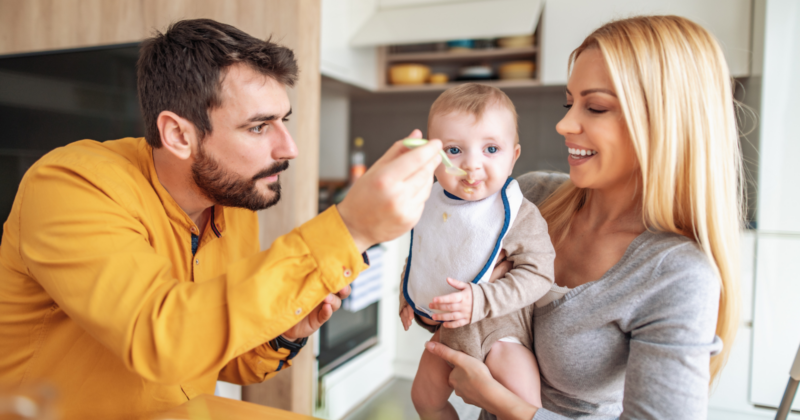
A friend recently called me in tears after her mother-in-law fed her eight-month-old son cheese at a family gathering, despite knowing they were raising him vegan.
She felt betrayed, exhausted, and questioned whether she could really do this.
I listened to her frustration, remembering similar struggles I’ve witnessed when parents first start this journey.
Raising a vegan baby challenges you in ways you never expect.
You face judgment from pediatricians who haven’t updated their nutritional knowledge since the 1990s.
You navigate birthday parties where your toddler watches other kids eat cake while you pull out the homemade muffins you packed.
You answer the same protein question from concerned relatives at least twice a week.
Yet watching your child thrive on plants, develop compassion for animals naturally, and normalize choices that align with your values makes every difficult conversation worth having.
1) Starting with nutrition basics that actually work
The fear around vegan baby nutrition often comes from outdated information.
Your pediatrician might hand you a pamphlet about iron deficiency without knowing that lentils paired with vitamin C foods provide better absorption than many meat sources.
Start simple with iron-rich foods like pureed lentils mixed with tomato sauce for older babies.
Add ground flax or chia seeds to morning oatmeal for omega-3s.
Keep fortified plant milk on hand once your pediatrician approves it, usually after twelve months.
B12 drops become your best friend early on.
Most vegan parents I know keep them right next to the coffee maker so they never forget the daily dose.
Batch cooking saves sanity when you’re sleep-deprived and trying to ensure balanced nutrition.
Sunday meal prep might include:
• Steaming sweet potatoes and white beans for easy mashing throughout the week
• Preparing quinoa that you can mix with different vegetables and seasonings
• Blending cashew cream to add to purees for extra calories and healthy fats
• Chopping soft fruits into appropriate sizes for self-feeding
Track nutrients without obsessing by keeping a simple weekly checklist rather than logging every meal.
2) Recipes that babies actually eat
Forget complicated Pinterest recipes that require seventeen ingredients and two hours of preparation.
Real vegan baby food happens in five minutes with three ingredients while you hold a crying infant.
Many parents swear by mashed avocado mixed with banana and a sprinkle of hemp hearts.
Babies often eat this combination almost daily from six to ten months.
For older babies, try chickpea flour pancakes.
Mix equal parts chickpea flour and water with a pinch of turmeric and whatever vegetables you have.
Cook them like regular pancakes and freeze extras for busy mornings.
Smoothie bowls become finger food practice around nine months.
Blend frozen mango with coconut milk until thick, spread on a plate, and let them explore the texture.
Tahini becomes the universal sauce that makes everything taste better.
Thin it with water and lemon juice, then drizzle over steamed vegetables, grain bowls, or spread on toast.
Red lentil pasta cooks in eight minutes and provides protein without any effort beyond boiling water.
Keep your freezer stocked with cubes of pureed vegetables mixed with coconut milk.
Pop them into hot pasta or grains for instant creamy sauces.
3) Handling family resistance without losing relationships
The hardest conversations happen with people who love your child.
Your mother worries about growth charts.
Your father makes jokes about bacon at every meal.
Your in-laws slip dairy into foods because they genuinely believe you’re harming your grandchild.
Set boundaries early and clearly.
Before visits, send a simple text listing foods your child can eat and asking family to check labels.
Bring enough food to share so nobody feels burdened by special preparation.
When someone challenges your choice, respond with facts briefly, then redirect.
Share your pediatrician’s approval, mention your child’s healthy weight gain, then ask about their garden or recent vacation.
Some relatives need to see thriving vegan children to believe it works.
Invite them to playground visits where they watch your energetic toddler outrun their peers.
Let them witness your child’s advanced verbal skills at family dinners.
Time often becomes your greatest ally as evidence accumulates.
Choose which battles matter.
The grandmother who accidentally bought crackers with milk powder deserves grace.
The uncle who deliberately feeds your child meat after you explicitly asked him not to needs consequences.
4) Building community in isolation
Finding other vegan parents changes everything.
Online groups provide recipe swaps at midnight when you’re desperate for breakfast ideas.
Local meetups mean your child sees other kids eating the same foods.
Library story times become hunting grounds for like-minded parents.
Look for the mom with the reusable snack bags full of fruit.
Start conversations at farmer’s markets where plant-based eating feels normal.
Create the community if it doesn’t exist.
Start a monthly potluck in your living room with two other families.
Share babysitting duties with parents who respect your dietary choices.
Build relationships with restaurants that accommodate your needs.
The Thai place in many neighborhoods knows regular families by name and always has steamed tofu ready.
These small connections sustain you through difficult days.
5) Celebrating small victories
Your baby tries tempeh for the first time and loves it.
The daycare teacher tells you she started buying oat milk after learning about your choices.
Your toddler asks if the chicken nuggets at a birthday party “hurt the chickens” and chooses fruit instead without prompting.
These moments remind you why you’re doing this work.
Document the wins in whatever way feels natural.
Some parents keep journals, others take photos of happy meals, many share stories in supportive online spaces.
Notice how your child’s relationship with food develops differently.
They learn to appreciate vegetables’ natural flavors without hiding them in cheese.
They understand where food comes from earlier than their peers.
Celebrate your own growth too.
You’ve become more creative in the kitchen.
You’ve learned to advocate calmly and confidently.
You’ve modeled living according to your values even when it’s inconvenient.
Final thoughts
Some nights you’ll cry into your quinoa bowl, wondering if you’re making life unnecessarily hard.
Other days you’ll watch your healthy, compassionate child share their lunch with a friend and know you’re giving them something precious.
The path gets easier as they grow and can articulate their own choices.
Children often explain to curious classmates why they don’t eat animals with more eloquence than most adults.
Trust your instincts, find your people, and remember that every parent questions their choices.
You’re just questioning different ones while raising a human who will understand that their food choices impact the world around them.
What small step could you take today to make tomorrow’s vegan parenting journey slightly easier?

- Raising a vegan baby in a non-vegan world: the recipes, the challenges, and the small wins that make it worth it - April 29, 2026
- Why the most beautiful living rooms are never the most cluttered ones: the 7 conscious purchases that genuinely transform a space - April 29, 2026
- People who grocery shop consciously almost always do these 7 things differently (and most of them have nothing to do with buying organic) - April 28, 2026