

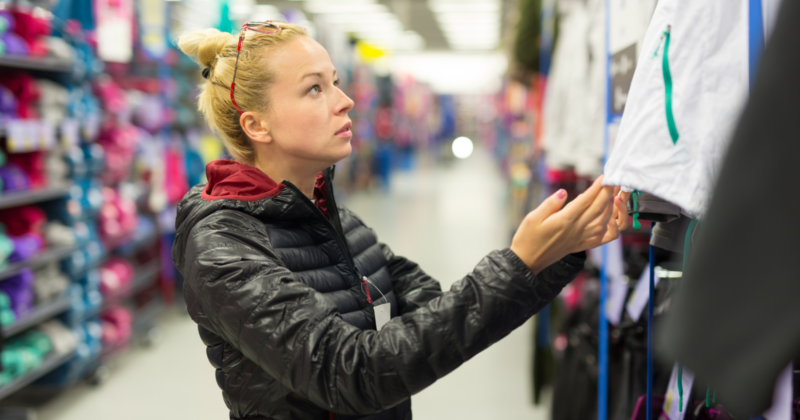
Last week on the Overland Track, I watched a woman ahead of me stop mid-stride, peel off her rain jacket, and stuff it into her pack with the kind of frustration I recognize from years of trying to find gear that actually works. The jacket had failed at the seams after just three days of Tasmanian weather. Later at the hut, she told me she’d bought it from a sustainable brand that promised everything but delivered clothing better suited for coffee runs than actual mountains.
I’ve been there. After decades of choosing between gear that works and gear that aligns with my values, I’ve learned that the outdoor industry’s greenwashing runs deeper than most morning rock pools. But I’ve also discovered brands that get it right – companies run by women who actually understand what it means to bushwalk for eight hours, set up camp in horizontal rain, or swim through winter swells when everyone else thinks you’re mad.
These five brands have earned their place in my gear room through years of hard use. They’re not perfect, but they’re honest about what they can and can’t do, and they build clothing that lasts long enough to justify its environmental cost.
1. Patagonia – the brand that taught me about repair
Yes, everyone knows Patagonia. But here’s what they don’t tell you in the marketing materials: their Worn Wear program saved my favorite hiking pants after I tore them on a rock scramble near Katoomba. Instead of binning them, I sent them in for repair. They came back stronger than before, with a barely visible patch that’s outlasted the original fabric around it.
Their Houdini jacket lives in my day pack year-round. It weighs nothing, blocks wind like you wouldn’t believe, and has survived more emergency deployments than I can count. The recycled nylon feels sturdy, not that flimsy stuff that tears if you look at it wrong.
What matters more is their supply chain transparency. They publish their factory audits. They tell you when they fail to meet their own standards. After years of working in healthcare where accountability means everything, I respect a company that admits its mistakes publicly.
The Capilene base layers have become my second skin for cold morning swims. They dry fast enough that I can swim, change in the car park, and drive to work without feeling clammy. That’s the real test of technical fabric.
2. Girlfriend Collective – activewear that handles real movement
I discovered Girlfriend Collective when my youngest daughter left a pair of their leggings at my house. Made from recycled plastic bottles and old fishing nets, they felt different from the usual synthetic activewear that pills after three washes.
Six months later, those borrowed leggings have become my go-to for coastal walks. They handle salt spray, sand, and the constant movement of climbing over rocks without losing their shape. The high waist stays put during yoga, which matters when you’re trying to rebuild core strength in your sixties.
Their transparency about sizing and fit is refreshing. Real women modeling clothes on bodies that actually look like bodies. No airbrushing, no impossible poses. They show the clothes on different skin tones and body types, which helps when you’re ordering online and hoping for the best.
The sports bras work for actual support, not just light stretching. I can wear them for a full day of gardening, bending and reaching as I tend to my native plants, without feeling restricted or unsupported.
3. Outdoor Voices – technical fabric that doesn’t scream “technical”
Most outdoor clothing makes you look like you’re about to climb Everest when you’re just walking the dog. Outdoor Voices solves this problem with their CloudKnit fabric – recycled polyester that feels like wearing a cloud but performs like proper activewear.
Their FreeForm shorts have become essential for summer hiking. The built-in liner means one less thing to pack, and the length hits that sweet spot where you’re covered but not overheating. They transition from trail to town without looking out of place.
What sold me was their approach to longevity. They design clothes to be worn into the ground, not replaced every season. The reinforced seams and quality zippers reflect this philosophy. My oldest piece from them is three years old and still looks new despite weekly wear.
They’re also transparent about their factories and working conditions. Not perfect – no brand is – but they’re trying, and they show their work.
4. Kotn – basics that work harder than they look
Egyptian cotton isn’t what you’d expect for outdoor gear, but Kotn’s basics have become my foundation layers. Their cotton is grown by farmers they work with directly, cutting out the middlemen who usually pocket the profits.
Their long-sleeve tees work brilliantly under everything. Cotton breathes in a way synthetic fabrics never quite manage, and when you’re layering for unpredictable weather, that matters. I’ve worn their pieces through entire hiking days, and they handle sweat and movement without getting that sour smell synthetics develop.
The company builds schools and medical facilities in the Egyptian communities where they source their cotton. As someone who spent decades working in community health, I appreciate brands that understand their responsibility extends beyond making clothes.
Their pieces wash well, dry overnight when needed, and somehow manage to look presentable even after being stuffed in a backpack for days.
5. Tentree – the brand that plants trees and means it
Tentree plants ten trees for every item sold, and unlike some reforestation programs, they track and verify their planting sites. Their TreeTracker lets you see exactly where your trees went, which appeals to someone who’s spent years creating habitat in her own backyard.
Their Atlas pants have become my uniform for everything from bush walks to grocery runs. The recycled polyester blend moves well, dries quickly, and has enough stretch to handle scrambling over rocks without binding. The pockets actually hold things – phone, keys, snacks – without bulging weirdly.
What I appreciate most is their circular approach. They take back old clothes for recycling, design for durability, and use materials that can be recycled again. It’s the kind of systems thinking we need more of.
Their fleeces use recycled polyester and organic cotton blends that feel substantial without being heavy. Perfect for those dawn swims when you need something warm to throw on immediately after.
Making choices that last
Finding ethical outdoor clothing that actually performs requires patience and often more money upfront. But here’s what I’ve learned after decades of buying and discarding gear: the most sustainable choice is the one you’ll use for years.
These brands aren’t perfect. Perfection in sustainability doesn’t exist when you’re making new products. But they’re transparent about their struggles, honest about their impact, and committed to doing better. They make clothes that last long enough to justify their existence.
Every piece of gear is a choice about the world we want to live in. After years of putting everyone else first, I’ve learned that taking care of yourself includes taking care of the places where you find yourself again. These brands help me do both without compromise.
The woman on the Overland Track ended up borrowing my spare jacket for the rest of the hike. It was Patagonia, bought eight years ago, repaired twice, and still completely waterproof. Sometimes the most radical thing you can do is buy less, choose well, and make it last.
- 5 ethical clothing brands built for women who spend serious time outdoors — and don’t want to compromise on sustainability to do it - April 16, 2026
- What nobody tells you about styling thin hair in your 60s — and the clean beauty approach that finally made mine look intentional - April 16, 2026
- 9 things women over 60 quietly swap for better quality — and why conscious dressing gets more rewarding, not more restrictive, with age - April 14, 2026