

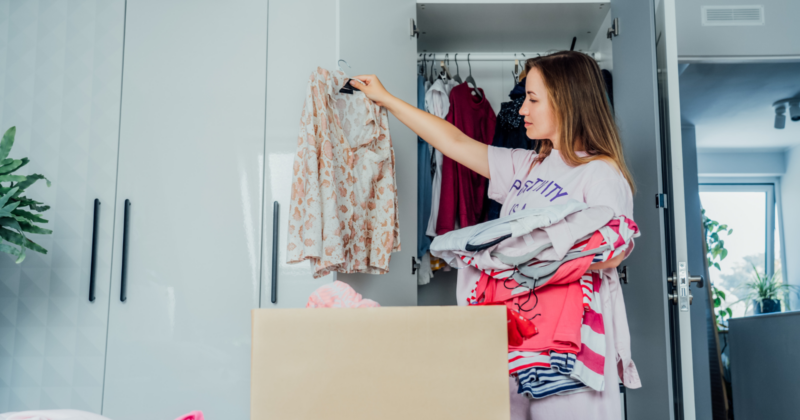
I used to spend fifteen minutes every morning staring into my closet, feeling a weird mix of guilt and frustration.
Not because I had nothing to wear.
The opposite, actually.
I had too many choices, and none of them felt right anymore.
Each piece seemed to carry this invisible weight of questions: Who made this? What’s it made of? How many times will I actually wear it?
The mental math was exhausting.
Getting dressed had become this daily negotiation with myself, trying to balance looking good with feeling good about my choices.
Then something shifted when I started rebuilding my wardrobe around sustainable fashion.
What surprised me wasn’t just the quality or the ethics.
It was how getting dressed became something I actually looked forward to.
No more guilt.
No more justifying.
Just genuine pleasure in putting together an outfit.
The morning that changed everything
The shift happened gradually, then all at once.
After decluttering my closet for the third time in two years, I stood there looking at the pile of barely-worn fast fashion pieces.
Trendy tops I’d worn twice.
Jeans that never quite fit right.
That dress I bought because it was on sale, not because I loved it.
My move toward minimalism in my early thirties had cleared out the physical clutter, but somehow my wardrobe kept refilling itself with pieces that didn’t align with how I wanted to live.
The irony wasn’t lost on me.
Here I was, carefully curating my apartment with neutral colors and soft textures, creating this calm space, yet my closet felt chaotic.
I’d spent seven years working in marketing communications for wellness brands in NYC, writing about mindful living and conscious choices.
But my shopping habits told a different story.
That morning, I made a decision.
Instead of just clearing out, I would rebuild thoughtfully.
Every new piece would be chosen with intention.
Why sustainable fashion hits differently
There’s something that happens when you know the story behind your clothes.
When you can trace where the fabric came from.
When you know the person who made it was paid fairly.
The clothing itself feels different against your skin.
Not physically, though sustainable materials often do feel better.
But energetically.
Each piece becomes an extension of your values, not a compromise of them.
I started small with basics:
• A white organic cotton t-shirt that actually held its shape after washing
• Jeans made from recycled denim that fit perfectly from day one
• A linen shirt from a small brand that plants trees with each purchase
• Wool sweaters that didn’t pill after three wears
• Shoes made from recycled ocean plastic that sparked conversations
The quality difference was immediate.
But more than that, each piece felt purposeful.
Getting dressed stopped feeling like picking the least problematic option.
It became an act of alignment.
The unexpected mental clarity
What I didn’t anticipate was how much mental space opened up.
Decision fatigue disappeared.
When everything in your closet is something you genuinely love and feel good about wearing, choosing becomes simple.
The constant background noise of “should I keep this?” or “does this still fit who I am?” quieted down.
My evening routine of tea and gentle stretching became more peaceful without that nagging feeling about tomorrow’s outfit choices.
The mental clarity extended beyond just clothes.
When you stop participating in the constant churn of trends and sales, you realize how much headspace that cycle was taking up.
No more tracking shipping notifications for impulse purchases.
No more returns because something didn’t match the online photo.
No more storage solutions for clothes you might wear someday.
Just a curated collection of pieces that work together, that last, and that make you feel like yourself.
Building a wardrobe that tells your story
Sustainable fashion forced me to get clear on my actual style.
Not what magazines said I should wear.
Not what looked good on someone else.
What made me feel most like myself.
I discovered I gravitate toward clean lines and natural fibers.
Earth tones and the occasional pop of deep blue.
Pieces that transition easily from writing at home to meeting clients for coffee.
Each purchase became intentional.
I’d research brands, read about their practices, understand their mission.
Sometimes I’d save for months for a single piece.
The anticipation made receiving it feel special, like welcoming something meaningful into my life rather than just filling a gap.
This slower approach to fashion reminded me of practices from other cultures I’d studied.
The Japanese concept of caring for objects so they develop soul.
The European tradition of buying quality pieces that last decades.
These weren’t new ideas.
We’d just forgotten them in our rush toward more, faster, cheaper.
The ripple effects nobody talks about
Choosing sustainable fashion changed more than just my mornings.
It shifted how I showed up in the world.
When you feel aligned with what you’re wearing, you carry yourself differently.
Confidence comes from that alignment, not from wearing the right label or following the right trend.
Conversations changed too.
People started asking about pieces, genuinely curious about where they came from.
These became opportunities to share brands doing good work, to normalize the idea that fashion doesn’t have to be fast.
My relationship with money shifted as well.
Even though I live below my means despite decent writing and coaching income, I found myself spending less on clothes overall.
Quality pieces that last years cost less per wear than cheap items replaced every season.
The math finally made sense.
Making the transition without overwhelm
You don’t have to overhaul everything at once.
Start with one category.
Replace items as they wear out rather than throwing everything away.
Research one or two sustainable brands in your price range.
Many offer similar prices to mid-range conventional brands, especially when you factor in longevity.
Pay attention to how different pieces make you feel.
Not just how they look, but how you feel wearing them throughout the day.
This awareness guides better future choices.
Consider the cost per wear rather than just the price tag.
A hundred-dollar shirt worn weekly for two years costs less per wear than a twenty-dollar shirt worn twice.
Give yourself permission to take time.
Building a sustainable wardrobe is a practice, not a destination.
Final thoughts
Getting dressed used to be the part of my morning I dreaded.
Now it’s a moment of simple pleasure.
Opening my closet doesn’t trigger decision paralysis or guilt.
Instead, I see pieces I love, each with its own story, each aligned with how I want to move through the world.
The shift from fast fashion to sustainable choices gave me something I didn’t know I was missing: the freedom to enjoy getting dressed without the mental gymnastics of justification.
Every morning, I choose from pieces that reflect my values, support practices I believe in, and make me feel genuinely good.
Not just about how I look, but about the choices I’m making.
What would change in your daily routine if getting dressed became a source of pleasure rather than stress?

- Why I stopped buying conventional cleaning products entirely: the 6 simple natural alternatives I now make at home - April 19, 2026
- The curly hair routine I finally stopped overcomplicating (and the 7 clean products that made all the difference) - April 19, 2026
- How to wear a turban the right way: why this one sustainable accessory is the most effortlessly chic thing in my wardrobe - April 18, 2026