

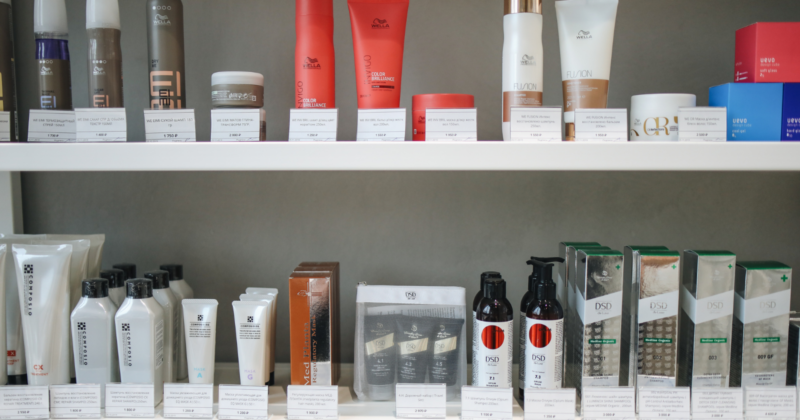
Ever wonder why your grandmother had better skin using just cold cream and soap? Here’s a shocking reality: studies show the average woman today applies 168 chemicals to her face daily through beauty products, yet we’re experiencing more skin issues than ever before. After years of counseling clients through cycles of self-doubt and watching them battle their own reflections, I’ve noticed something disturbing. The beauty industry operates exactly like the toxic relationships I help people escape — first they create the problem, then they sell you the solution.
The vicious cycle no one talks about
Remember when “glass skin” wasn’t a thing? Or when nobody worried about “tech neck” or “strawberry legs”? The beauty industry didn’t discover these problems — they invented them. They’ve taken completely normal human features and turned them into flaws requiring expensive fixes.
Last week, a client broke down in my office, not about her relationship, but about her skin. She’d started with one acne cream six months ago. Now she uses seven products to manage the dryness, irritation, and sensitivity that the first product caused. Sound familiar?
This isn’t coincidence. It’s design.
The industry knows that insecure customers are repeat customers. They’ve weaponized our need for acceptance, turning skincare into an endless battle against ourselves. Every new product creates side effects requiring more products. Every solution becomes tomorrow’s problem.
How they manufacture your skin problems
Think about this: your skin survived millions of years of evolution without a 10-step routine. It knows how to balance oil production, shed dead cells, and protect itself. But the beauty industry convinced us our skin is incompetent.
They pushed daily acids and aggressive exfoliation as “essential,” destroying skin barriers worldwide. Now millions need barrier repair creams. They promoted stripping cleansers that remove natural oils, then sold us expensive serums to replace what they stripped away.
The “clean beauty” movement was supposed to fix this. But Hope Gillette, a health writer, found that “The clean beauty movement has replaced traditionally safe ingredients with unsafe alternatives and has contributed to an uptick in contact dermatitis.” Even the supposed solution became part of the problem.
Why your skin rebels
Your skin is trying to tell you something. Those breakouts after starting a new routine? That’s not “purging” — it’s protest. The redness from your vitamin C serum? Not “activation” — it’s irritation.
I see this pattern in my counseling practice constantly. People stay in damaging situations because they’ve been convinced the problem is them. The beauty industry uses the same playbook. When products cause problems, they blame your skin type, your genetics, your technique — never their formulations.
They’ve created a language of shame around normal skin. Pores are “large.” Skin tone is “uneven.” Texture needs “refining.” They pathologize humanity itself.
The real cost of chemical dependency
Beyond the financial drain, there’s a deeper cost. Constant product cycling disrupts your skin’s microbiome — the beneficial bacteria that actually protect and balance your skin. Once disrupted, you become dependent on products to do what your skin used to do naturally.
It mirrors the codependency patterns I address in my book. You lose trust in your own body’s wisdom. You need external validation (from products) to feel okay. You can’t imagine functioning without your arsenal of bottles.
Breaking free requires the same courage as leaving a toxic relationship. You have to believe you’re enough without all the fixes.
8 clean alternatives that support, not sabotage
Raw honey cleansing: Forget harsh foam cleansers. Raw honey has natural antibacterial properties and maintains your moisture barrier. Massage onto damp skin for 30 seconds, rinse with lukewarm water. Your skin stays clean without feeling stripped.
Jojoba oil balance: This oil actually signals your skin to regulate its own oil production. Two drops warmed between palms, pressed gently into skin. Works for oily and dry skin alike because it mimics your natural sebum.
Green tea toner: Brew strong green tea, let it cool, use as toner. The antioxidants calm inflammation while natural tannins gently tighten pores. No alcohol burn, no mystery ingredients.
Oatmeal rescue masks: Grind plain oats into powder, mix with water or yogurt. Apply for 10 minutes when skin feels angry. It soothes without harsh ingredients that create tomorrow’s irritation.
Rosehip seed oil repair: Three drops at night fade dark spots and even tone naturally. Rich in vitamin C and fatty acids, it works with your skin’s overnight repair process rather than forcing change through irritation.
Chamomile calm: Brew strong chamomile tea, soak a cloth, apply to inflamed areas. This gentle approach reduces redness without the rebound inflammation of harsh spot treatments.
Pure aloe healing: Not the green-dyed drugstore versions — real aloe gel or fresh from the plant. It hydrates and heals without clogging or irritating. Apply thin layers, letting each absorb.
Facial massage: The most powerful tool costs nothing. Two minutes of gentle upward strokes daily improves circulation and lymphatic drainage better than any expensive gadget.
Reclaiming your skin’s wisdom
Your skin remembers how to function without interference. But like any relationship, rebuilding trust takes time. Start by removing one harsh product. Notice how your skin responds to less, not more.
When clients tell me they’ve simplified their routines, they often report something surprising: their skin problems weren’t as severe as the industry made them believe. Much of what they thought needed fixing was actually normal, healthy skin.
Robert Finney, MD FAAD, a board-certified dermatologist, acknowledges: “The clean beauty movement started from a good place, as it’s brought some transparency and focus to what is actually in the skincare that we are using.”
But transparency means admitting that less is often more. That your skin is capable. That you don’t need saving.
Breaking free from beauty gaslighting
The beauty industry’s greatest trick was convincing us that self-care means buying their solutions. Real self-care means protecting yourself from manufactured insecurity. It means trusting your body’s wisdom over marketing messages.
Question every “flaw” they’ve taught you to see. Who profits from your insecurity about pore size? Who benefits when you believe aging is ugly? Follow the money, and you’ll find your answer.
Set boundaries with beauty content the way you would with toxic people. Unfollow accounts that make you feel broken. Stop reading articles about problems you didn’t know existed. Protect your peace.
Final thoughts
The beauty industry created a brilliant business model: manufacture insecurity, sell false solutions that create new problems, repeat infinitely. But you can step off this hamster wheel.
Your skin isn’t broken. It doesn’t need fixing. It needs support, patience, and freedom from constant chemical assault. These eight alternatives aren’t revolutionary — they’re a return to wisdom we had before an industry convinced us we were problems requiring their solutions.
Start with one change. Maybe it’s replacing your harsh cleanser with honey. Maybe it’s doing facial massage instead of buying another serum. Notice how your skin thrives with less interference.
The real glow-up happens when you stop fighting your skin and start supporting it. When you recognize manipulation dressed as marketing. When you choose simplicity over someone else’s definition of perfection.
Your grandmother’s beautiful skin wasn’t luck. It was the absence of an industry creating problems to sell solutions. You can reclaim that simplicity. You can trust your skin again. The journey back to basics might be the most radical thing you do for your skin — and yourself.

- 8 things to do in Copenhagen that make you feel like a local rather than a tourist: a guide for travellers who want to arrive, not just visit - April 24, 2026
- How the beauty industry created the skin problems it now sells you the solution to — and the 8 clean alternatives that actually help - April 24, 2026
- I’ve collected recipes from clients and friends for years: these are the 8 vegan breakfasts that everyone always asks me for - April 24, 2026