

Many people believe that vegan French pastries are somehow lesser versions of their traditional counterparts, as if removing butter and eggs means sacrificing the soul of French baking. I used to think the same thing until a client, during one of our sessions about challenging limiting beliefs, mentioned her incredible vegan croissants. That conversation changed everything.
French patisserie isn’t about the ingredients themselves but about technique, patience, and the transformative power of time. After spending months perfecting these recipes, I’ve discovered that plant-based versions can achieve the same buttery layers, silky custards, and delicate crumbs that make French pastries legendary. You just need to know the secrets.
1. Classic vegan croissants
The first time I attempted vegan croissants, I cried. Not the therapeutic kind of tears I sometimes witness in my practice, but frustrated, flour-covered tears at 2 AM. Then I realized I was approaching it all wrong, trying to rush what inherently cannot be rushed.
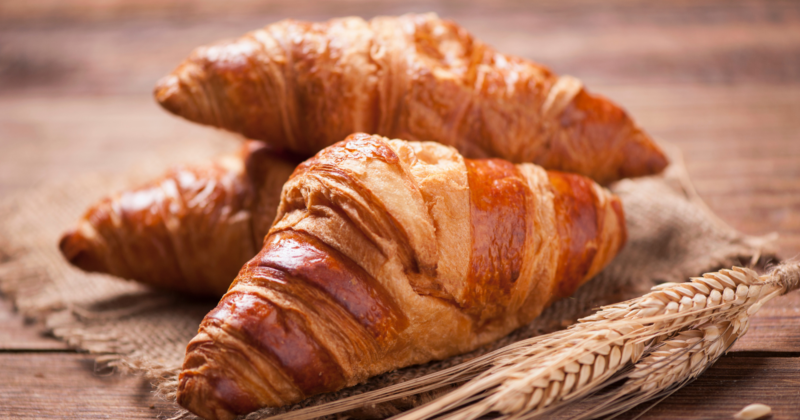
The magic happens through lamination, creating 81 paper-thin layers by folding vegan butter into dough. Use 500g bread flour, 60g sugar, 10g salt, 7g instant yeast, and 300ml unsweetened soy milk for your dough. The game-changer? A proper vegan butter block (250g) that stays firm but pliable.
Mix your dough the night before and let it rest. The next morning, encase your butter and begin folding. Three sets of turns, with 30-minute rests between each. The dough teaches you patience the way meditation does, demanding your full presence. When you finally bake them at 200°C and watch those layers separate and rise, you understand why some things are worth every minute they take.
2. Vegan crème brûlée
Remember that satisfying crack when you tap through caramelized sugar? That moment of anticipation before the spoon breaks through? Achieving this without eggs seemed impossible until I discovered the silken tofu secret.
Blend 400g silken tofu with 200ml cashew cream, 100g sugar, 2 teaspoons vanilla extract, a quarter teaspoon turmeric for that golden hue, and 2 tablespoons cornstarch. The consistency should be impossibly smooth, like the communication flow you achieve after years of practice.
Pour into ramekins and bake in a water bath at 150°C for 45 minutes. The custard sets with the same silky texture as traditional versions. Before serving, sprinkle sugar on top and torch it. That crackling sound as sugar transforms to glass never gets old. It reminds me of breakthrough moments in therapy, when everything suddenly crystallizes.
3. Vegan pain au chocolat
Using the same laminated dough as croissants, pain au chocolat adds another dimension of pleasure. The trick lies in choosing the right chocolate. I use dark chocolate batons with at least 70% cacao, positioning two per pastry.
Roll your dough into rectangles, place chocolate at one end, and roll tightly. The anticipation builds as they proof, doubling in size. During baking, the chocolate melts while the pastry puffs around it, creating pockets of molten richness.
I often make these when working through complex client notes. The repetitive folding and shaping helps me process information, while the reward of biting through flaky layers into warm chocolate provides the perfect punctuation to a productive morning.
4. Vegan madeleines
These shell-shaped cakes hold memories like pressed flowers in books. The traditional recipe relies heavily on butter, but olive oil creates madeleines with sophisticated depth.
Whisk together 120g flour, 100g sugar, and 1 teaspoon baking powder. In another bowl, combine 100ml olive oil, 120ml oat milk, and the zest of one lemon. The secret that transforms good madeleines into exceptional ones? Resting the batter overnight in the refrigerator.
This waiting period, like the space between sessions where real growth happens, allows flavors to meld and the batter to develop structure. Bake at 190°C for 12 minutes until they develop that characteristic bump. The result tastes like Sunday mornings in Provence, even when you’re eating them at your desk on a Thursday.
5. Vegan Opera cake
Opera cake demands the same precision I apply when helping clients identify behavioral patterns. Each element must be perfect before assembly: almond sponge, coffee buttercream, chocolate ganache.
The joconde sponge gets its structure from aquafaba beaten to stiff peaks, folded with almond flour and powdered sugar. Spread thin and bake quickly at 220°C. The coffee syrup should be strong enough to wake the dead, while the chocolate ganache needs that glossy perfection achieved by emulsifying coconut cream with dark chocolate.
Assembly is meditation in action. Brush each sponge layer with coffee syrup, spread buttercream, add another layer, more syrup, then ganache. Repeat until you’ve built your masterpiece. The final chocolate glaze should be mirror-smooth, reflecting your patience back at you.
6. Vegan financiers
These little golden cakes, traditionally made with egg whites, seemed impossible to veganize until I discovered concentrated aquafaba. Reduce the chickpea liquid by half until it’s viscous and slightly golden.
Brown your vegan butter by cooking it until it smells nutty and complex. Mix with almond flour, powdered sugar, and your reduced aquafaba. The batter should be smooth but substantial. Pour into small rectangular molds and bake at 200°C until the edges are deeply golden.
Financiers keep beautifully for days, improving in texture like relationships that deepen over time. I often pack these for long days when I need something grounding between sessions.
7. Vegan mille-feuille
Building mille-feuille requires architectural precision. Start with puff pastry, rolled thin and baked between two sheets to keep it flat and crispy. The traditional pastry cream transforms beautifully using cornstarch, vanilla, and rich coconut milk.
The revelation came when I discovered that aquafaba whips into stable cream for the filling. Layer your crispy pastry with vanilla cream and fresh berries. The contrast between crisp and soft, sweet and tart, creates the kind of balance I’m always seeking in life.
8. Vegan canelés
These Bordeaux treasures, with their custardy centers and caramelized shells, require special molds and patience. The batter, made with thick cashew cream, rum, vanilla, and a touch of flour, must rest for 48 hours.
The waiting is part of the magic. Like allowing difficult emotions to surface naturally rather than forcing them, the batter develops complexity during its rest. Bake at high heat initially to set the crust, then lower the temperature to cook the custard center. The result? A study in contrasts that makes every bite interesting.
Final thoughts
Creating these vegan French pastries has taught me that transformation doesn’t mean compromise. Each recipe requires dedication, but the results prove that plant-based versions can match and sometimes surpass their traditional counterparts.
The hours spent laminating dough, waiting for batters to rest, and perfecting techniques aren’t just about the final product. They’re about the meditative quality of repetition, the satisfaction of mastering something difficult, and the joy of sharing something beautiful with people you care about.
Start with one recipe. Give yourself permission to fail the first time. Then try again. The patience you develop while waiting for dough to rise or custard to set translates into other areas of life. And when you finally bite into that perfect croissant or crack through the caramelized sugar of your crème brûlée, you’ll understand why some things deserve every minute they take.

- Everything from croissants to crème brûlée: 8 vegan French patisserie recipes that are worth every minute they take - April 20, 2026
- 10 plant-based breakfasts that prove eating consciously in the morning doesn’t have to be complicated or time-consuming - April 20, 2026
- 9 curly hairstyles that look effortlessly beautiful without the damage: the clean beauty routine that keeps them that way - April 20, 2026