

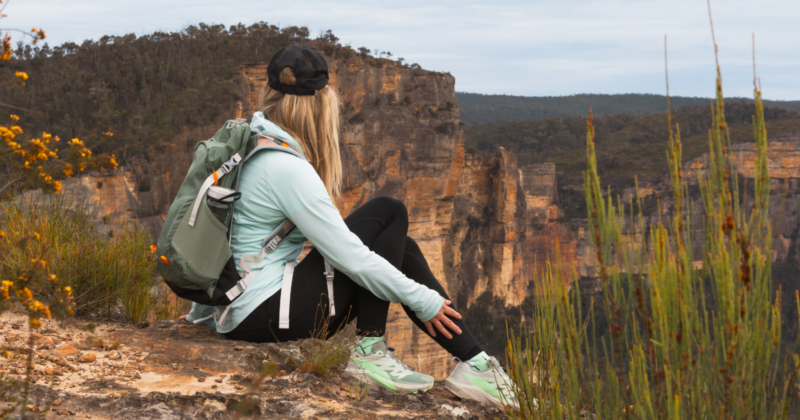
The track was barely visible under the morning mist when I realised I’d been walking these trails wrong for years. Not technically wrong – I could read a map, had the right boots, carried enough water. But I’d been leaving traces everywhere without knowing it. Small things that added up. It took a park ranger pulling me aside one morning near the Grampians to point out how my shortcut had widened a erosion gully that wouldn’t heal for decades.
That conversation changed how I move through this country. After walking most of Australia’s accessible landscapes over the past decade, from the Larapinta Trail to the coastal tracks of Tasmania, I’ve learned that loving these places means more than just showing up with good intentions.
1. Stay on the marked trails even when they seem longer
Every shortcut creates a scar. I watch hikers cut corners on switchbacks all the time, thinking they’re saving five minutes. What they’re actually doing is creating erosion channels that will funnel water, wash away topsoil, and eventually destroy the trail system that took years to establish.
The marked trails exist for reasons beyond convenience. They follow natural contours that minimise damage, avoid sensitive breeding areas, and keep foot traffic concentrated where the land can handle it. When I’m tired and that shortcut looks tempting, I remind myself that the extra ten minutes won’t kill me, but my impatience might kill the very thing I came to see.
2. Pack out more than you pack in
My rule is simple: leave with one more piece of rubbish than I brought. Could be a chocolate wrapper caught in the bushes, a forgotten water bottle, fishing line tangled in the rocks. After Clean Up Australia Day last year, when we filled six garbage bags along just two kilometres of coastline, I stopped seeing litter collection as optional.
Keep a spare bag in your pack specifically for rubbish. Not just yours – anyone’s. The grandkids roll their eyes when I make them help, but they’re learning that caring for places means doing the unglamorous work too.
3. Choose your timing carefully
Peak season exists for a reason – the weather’s perfect, everything’s in bloom, the days are long. It’s also when every track becomes a highway and campsites turn into suburbs. I’ve started hiking in shoulder seasons and loving it more. Fewer people, cooler temperatures, different wildlife activity.
Early mornings change everything too. Not just for the sunrise, though watching the light hit Cradle Mountain at dawn remains one of the best things I’ve done with my insomnia. Wildlife is more active, tracks are empty, and you can actually hear the landscape instead of other people’s conversations.
4. Research the cultural significance before you go
Barry Traill and John Woinarski remind us that “The outback has been the home of Indigenous Australians for about 50,000 years.” Every rock formation, water source, and mountain has stories that predate any map we’re carrying.
Some places shouldn’t be climbed. Some shouldn’t be photographed. Some have seasonal restrictions based on breeding cycles or ceremony times. This information is usually available through park services or local Indigenous organisations. Taking twenty minutes to research can prevent you from disrespecting places that hold deep meaning for the traditional owners.
5. Keep your distance from wildlife
That photo of you hand-feeding a kookaburra might get likes on social media, but it’s teaching that bird to approach humans for food. Next week, it might swoop someone’s sandwich, get shooed away aggressively, or eat something that makes it sick.
I use binoculars now. Proper ones that let me watch a platypus without getting close enough to stress it out. The general rule is if an animal changes its behaviour because of you – stops feeding, moves away, makes warning sounds – you’re too close. Wildlife photography from a respectful distance tells a better story anyway.
6. Use established campsites and facilities
Free camping seems romantic until you realise that patch of “empty” ground is actually regenerating vegetation, or that your tent has blocked a wallaby’s path to water. Established campsites exist where the impact is already concentrated and managed.
When nature calls and there are no facilities, go at least 100 metres from water sources, dig at least 15 centimetres deep, and cover everything properly. Carry a small trowel. It weighs nothing and makes a huge difference to hygiene and environmental impact.
7. Manage your noise and light pollution
Sound travels differently in open landscapes. Your conversation carries further than you think, disrupting wildlife and other visitors seeking solitude. I’ve learned to match my volume to the environment – the quieter the place, the quieter I become.
Night photography has become popular, but constant headlamp use and camera flashes disrupt nocturnal animals trying to hunt, feed, or navigate. Red-light torches reduce this impact. Turn lights off when you don’t actively need them. Let your eyes adjust to the darkness – you’ll see more anyway.
8. Travel light and local where possible
Every kilometre driven to reach a trailhead has an impact. I’ve started exploring closer to home, discovering tracks within an hour’s drive that I’d ignored for years while planning trips to famous spots interstate. The coastal track near my place, where Biscuit and I walk most afternoons, has taught me as much about the local ecosystem as any national park.
When you do travel further, consider staying longer rather than rushing through multiple locations. Slow travel lets you understand a landscape properly, reduces transport emissions, and often leads to better experiences than ticking off a checklist.
9. Share locations thoughtfully
Social media has transformed unknown spots into overcrowded disasters almost overnight. That secret waterfall you found? Maybe it should stay secret for a while. Not everything needs to be broadcast.
When I do share locations, I include information about conservation challenges, access limitations, and proper behaviour. Context matters more than coordinates. Help others understand why these places matter and how to visit respectfully.
Final words
The mist burned off that morning in the Grampians as the ranger and I talked. She wasn’t angry, just tired of watching places she loved get worn away by well-meaning people who didn’t know better. Now I know better. These landscapes have survived ice ages, fires, and floods. Whether they survive us depends on choices we make every time we lace up our boots.
The thing about walking most of Australia’s trails is that you start to see patterns – the same mistakes repeated, the same damage accumulating. But you also see recovery when people change their behaviour. Tracks revegetating when walkers stick to designated paths. Wildlife returning when camping zones are respected. Water sources clearing when people stop washing dishes in streams.
We don’t need to stop exploring. We need to explore differently. Every step we take is a choice about what kind of story we’re writing on the landscape. Make it one worth reading.
- Nobody talks about what it means to grow a garden specifically for the birds and the bees — but after three years of doing it, here’s what changed - April 14, 2026
- 9 ways to experience Australia’s natural landscapes without doing them damage — from someone who has walked most of them - April 14, 2026
- What the Great Ocean Walk taught me about the difference between visiting nature and actually being in it - April 13, 2026