

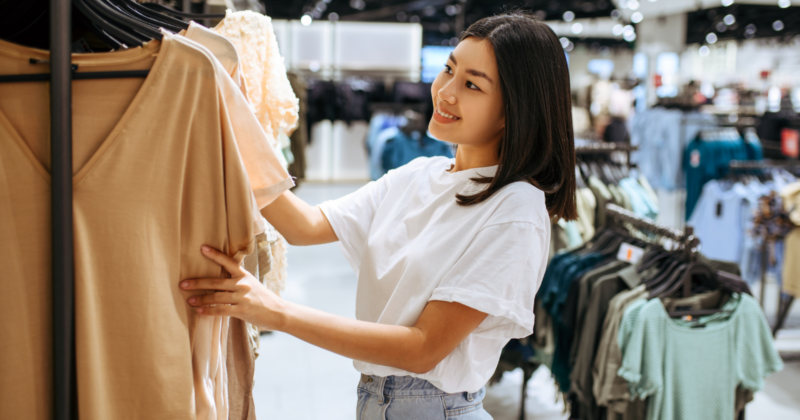
I used to spend Saturday mornings scrolling through sale emails, adding items to multiple carts across different websites.
The dopamine hit from finding a $12 dress felt like winning a tiny lottery.
My closet was bursting, yet I stood there most mornings feeling like I had nothing to wear.
Sound familiar?
Five years ago, I made a radical shift.
I stopped buying fast fashion entirely and started investing in ethical, sustainable pieces instead.
This wasn’t just about changing where I shopped.
My entire relationship with clothing, money, and even myself transformed in ways I never expected.
1) My mornings became simpler
Before this change, getting dressed felt like solving a puzzle with too many pieces.
I’d try on five different outfits, leave clothes scattered across the bed, and still walk out feeling unsure about my choice.
Now, with fewer but better pieces, I get dressed in under five minutes.
Every item in my closet works with multiple other pieces.
The cream linen shirt pairs perfectly with the navy trousers and the camel wool skirt.
No more decision fatigue before my coffee even kicks in.
When you invest in quality pieces that truly fit your style and body, getting dressed becomes automatic.
You trust what you own.
2) I discovered what clothing actually costs
A $200 organic cotton dress seemed outrageous when I was used to $30 alternatives.
Then I did the math.
That $30 dress I wore twice before it pilled or lost its shape?
The cost per wear was $15.
The ethically-made dress I’ve worn forty times and counting?
We’re down to $5 per wear and dropping.
But the real cost goes deeper.
Fast fashion’s price tag doesn’t include the environmental damage or the human cost of unsafe working conditions.
When you factor in those hidden expenses, that “bargain” isn’t such a great deal anymore.
3) Shopping became intentional rather than impulsive
I used to buy clothes the way some people eat chips.
Mindlessly.
Automatically.
One click and another package would arrive.
Now I approach each potential purchase like an investment decision.
• Will this piece work with at least five items I already own?
• Can I see myself wearing this three years from now?
• Does the brand align with my values around labor and sustainability?
• Have I wanted something similar for at least thirty days?
This might sound restrictive, but it’s actually liberating.
The constant mental chatter about what to buy next has quieted.
My mind has more space for things that matter.
4) My relationship with trends shifted completely
Fashion magazines used to dictate my shopping list.
Neon was in?
I’d hunt for the perfect highlighter-yellow top.
Oversized blazers trending?
Time to add three to my cart.
Now I observe trends with curiosity rather than urgency.
Some trends genuinely excite me and align with my style.
When they do, I invest in one quality piece that interprets the trend in a timeless way.
Most trends, though?
I watch them pass by like clouds.
Interesting to observe, but not something I need to chase.
5) I started seeing clothes as relationships
This might sound strange, but bear with me.
Each piece in my closet now has a story.
The black merino wool sweater made by a cooperative in Scotland.
The indigo-dyed dress from a female-owned company in India that provides education for workers’ children.
I know where my clothes come from.
I know who made them.
When something needs mending, I fix it rather than toss it.
These aren’t just objects anymore.
They’re investments in both my wardrobe and the kind of world I want to support.
6) The compliments changed
People used to occasionally notice new items.
“Cute top, is it new?”
Now the compliments are different.
“You always look so put together.”
“Where did you find that incredible coat?”
“Your style is so consistent and elegant.”
The difference?
When you wear quality pieces that fit well and suit your coloring, people notice you, not just your clothes.
The clothing enhances rather than distracts.
7) My values and actions finally aligned
For years, I talked about mindfulness and intentional living while mindlessly consuming fast fashion.
The cognitive dissonance was exhausting.
I’d meditate in the morning about non-attachment, then spend lunch break filling online shopping carts.
Now my closet reflects my values.
Minimalist.
Intentional.
Sustainable.
This alignment creates a deep sense of peace.
When your actions match your beliefs, you stop wasting energy on internal conflict.
That energy becomes available for creativity, relationships, and growth.
Final thoughts
Making this shift wasn’t always easy.
The first few months, I’d feel the pull of old habits.
The flash sale emails.
The social media ads perfectly targeted to my browsing history.
But each time I chose to wait, to save, to invest in something meaningful instead of something cheap and trendy, the habit got stronger.
My bank account initially protested the higher price tags.
But here’s what I discovered: when you buy less but better, you often spend less overall.
My clothing budget has actually decreased since making this change.
If you’re considering this shift, start small.
Pick one category, maybe just t-shirts or jeans, and commit to only buying ethical options in that category.
Notice how it feels to wear something made with care.
Notice how much longer it lasts.
Notice how your relationship with that item differs from your fast fashion pieces.
There’s no perfect way to do this.
Some months I save for one beautiful piece.
Other months I buy nothing at all.
The point isn’t perfection.
What matters is moving toward alignment between what you value and how you live.
Once you experience that alignment, there really is no going back.

- 7 things that changed when I started investing in ethical fashion instead of fast fashion — and why there’s no going back - April 11, 2026
- The slow travel philosophy that changed how I explore cities: why I now visit one neighbourhood deeply instead of rushing through ten - April 10, 2026
- I’m not a minimalist by accident — these 7 spring wardrobe staples are the only things I reach for when I want to look put-together without thinking about it - April 9, 2026