Last month, I found myself sitting in a cafe in Beechworth, watching a couple frantically photograph their breakfast before rushing off to their next stop. They’d given themselves exactly 45 minutes in a town that took 150 years to build its character. Later that day, I overheard them at the bakery saying they wished they’d booked another night. It’s the same story everywhere I go in this country – people racing through places that were meant to be savoured, then regretting it on the drive home.
After decades of squeezing holidays into whatever gaps I could find between shifts and school runs, I’ve learned something important: the best Australian destinations aren’t just places you visit. They’re places that change pace with you, that reveal themselves slowly, like a patient who finally trusts you enough to tell you what’s really wrong.
1. The Grampians, Victoria
Most people hit the Grampians for a weekend – Mackenzie Falls, the Pinnacle lookout, maybe a quick stop at Halls Gap. They leave thinking they’ve seen it all. They haven’t even scratched the surface.
Stay a week and something shifts. You start noticing the way the light changes the colour of the sandstone at different times of day. You find the hidden swimming holes the tour buses don’t know about. You have time to do the Fortress walk early enough that you’re alone at the top, watching the mist lift off the valley floor.
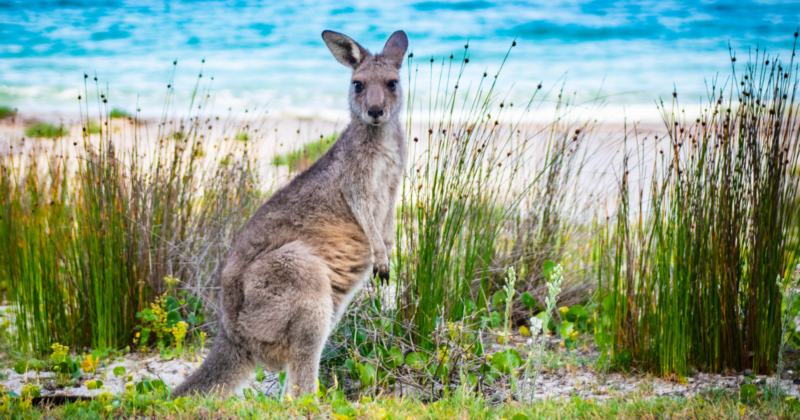
I spent ten days there last winter, and by day seven, I’d stopped checking my phone entirely. The kangaroos in my campground had gotten so used to me, they’d graze within arm’s reach while I read my book.
2. Lord Howe Island
With only 400 visitors allowed at any time, Lord Howe forces you to slow down. There’s no mobile reception in most places, no traffic lights, and bikes are the main transport. Rush here and you’ll miss the point entirely.
The snorkelling at Ned’s Beach improves each day as you learn where the massive kingfish hang out and which coral formations hide the best parrotfish. The trek up Mount Gower – only possible twice a week with a guide – needs you to be properly rested, not squeezed in between other activities.
3. The Kimberley, Western Australia
The Kimberley doesn’t do quick visits. The distances alone demand time – it’s 2,000 kilometres from Broome to Kununurra. But that’s not why you need to linger.
This landscape requires adjustment. Your eyes need days to start seeing the subtle changes in the red rock formations. Your body needs time to adapt to the heat, to find its rhythm in the early morning starts and long afternoon rests. The Aboriginal rock art sites don’t give up their stories in a quick photo stop – you need to sit with them, let your eyes adjust to the ochre patterns.
4. Kangaroo Island, South Australia
After the 2020 fires, Kangaroo Island’s recovery has been slow and remarkable. Rushing through now means missing the regeneration story unfolding in real time – the green shoots pushing through blackened bark, the wildlife gradually returning to their territories.
Book a cottage for a week. Visit the same stretch of beach each morning and watch the sea eagles establish their hunting patterns. Return to Flinders Chase and see how it changes in different light. The local producers at the farmers market will remember you by day three, saving you their best honey or olive oil.
5. Tasmania’s East Coast
The temptation to drive from Hobart to Wineglass Bay and back in a day is strong. Resist it. This coastline was meant for meandering.
Base yourself in one spot for several days – maybe Coles Bay or Bicheno. Walk a different beach each morning. The first day at Wineglass Bay, you’ll take the tourist photos. By the third visit, you’ll know exactly which rock pool holds the most interesting sea creatures at low tide.
6. The Blue Mountains, New South Wales
Most Sydney-siders treat the Blue Mountains as a day trip – Three Sisters, Scenic World, done. They have no idea what they’re missing.
I’ve walked sections of these mountains over the years, and each time I stay longer, I discover more. The Grand Canyon track reveals different waterfalls depending on recent rainfall. The early morning mist in the valleys changes everything you thought you knew about the landscape. Celeste Mitchell, author of ‘Life Unhurried’, puts it perfectly: “The trick is in being able to switch your focus to quality experiences over quantity, and allowing yourself to savour languid hours and minutes rather than just counting them.”
7. The Whitsundays, Queensland
A two-day sailing trip gives you the postcard shots. A week on the water shows you why people never leave. You learn the tides, find the beaches that only appear at low tide, discover which anchorages offer the best protection from the wind.
More importantly, you have time to properly snorkel the fringing reefs, returning to the same spots to watch the fish behaviour change throughout the day. The rushed visitors see the reef once, in whatever condition that particular hour offers. Stay longer and you see it wake up at dawn, bustle at noon, and settle at dusk.
8. Arnhem Land, Northern Territory
You can’t rush Arnhem Land even if you wanted to – it requires permits, guides, and respect for Aboriginal cultural protocols. This is Australia’s largest Aboriginal Reserve, and moving through it slowly isn’t just preferable, it’s essential.
The rock art galleries here span 60,000 years. Trying to comprehend that timeline in an afternoon is like trying to read War and Peace during a coffee break. The stories the traditional owners share aren’t sound bites – they’re complex narratives that connect land, law, and identity.
9. The Great Ocean Road’s hidden corners
Everyone knows the Twelve Apostles. But stay a week along this coast and you’ll find the spots where locals surf, the cafes that aren’t in guidebooks, the walking tracks that lead to beaches you’ll have entirely to yourself.
Base yourself in Apollo Bay or Lorne for several days instead of driving through. Walk a section of the Great Ocean Walk each morning. Return to the same rock platform at different tides. Watch the same stretch of ocean until you can predict where the dolphins will surface.
Why rushing never works
The pattern is always the same. People arrive with a list, race through it, then sit in the airport lounge scrolling through their photos, already forgetting which beach was which. They say things like “I wish we’d had more time” or “We’ll have to come back properly next time.”
But here’s what I’ve learned after years of working with people in crisis: you can’t hurry healing, and you can’t hurry connection. Whether it’s with a patient, with yourself, or with a place, real connection takes time. These Australian destinations don’t owe you their secrets just because you showed up. They reveal themselves to those who wait, who return, who pay attention to the small changes between morning and evening, between high tide and low.
The cold water at my local beach has taught me this too. The first plunge is just survival. But return day after day, and you start noticing things – which rocks the octopus prefers, where the rays rest in the shallows, how the water colour changes with the wind.
Travel the same way, and Australia stops being a checklist and starts being a conversation. One that’s worth having slowly.