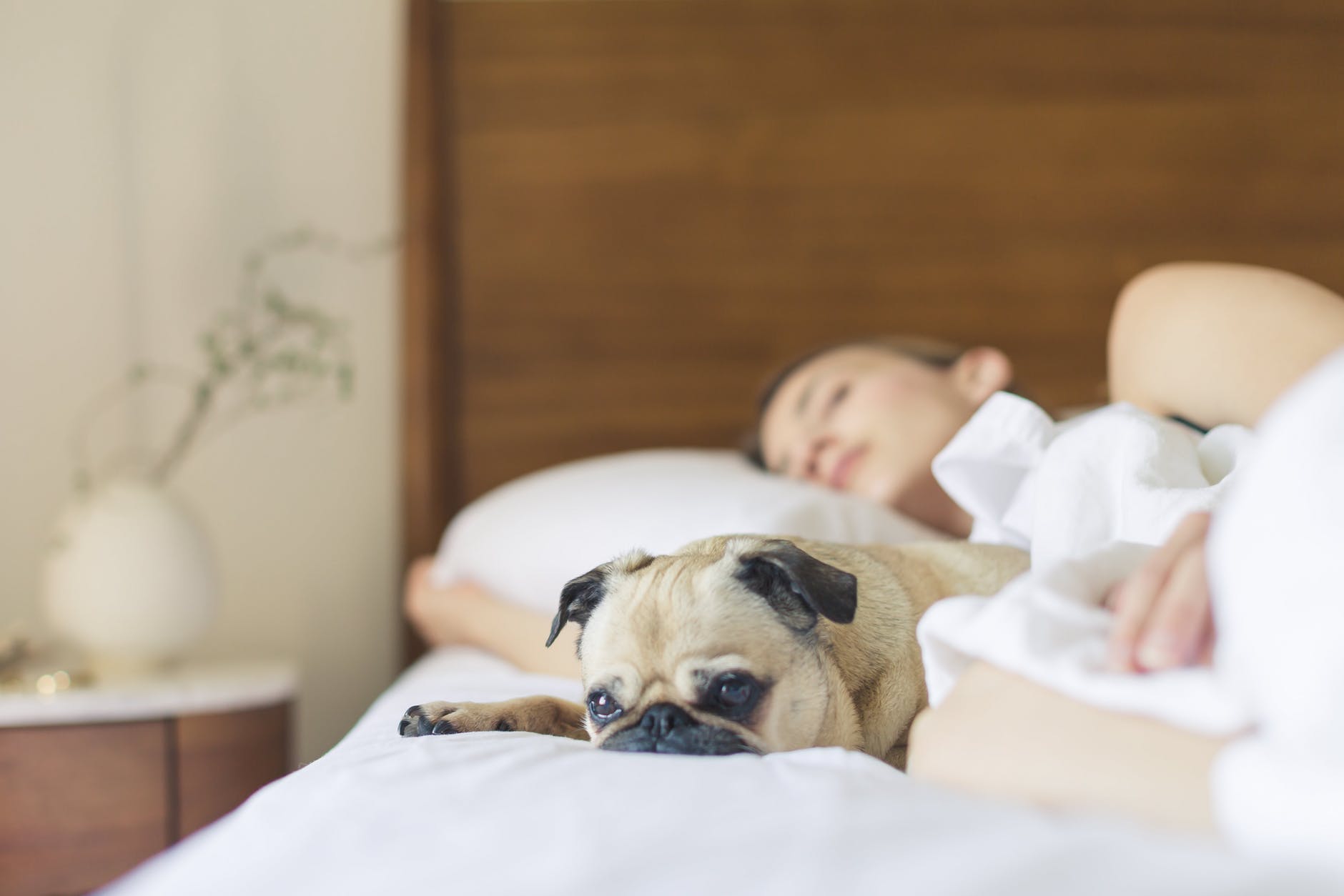
Can’t seem to get much shut eye these days? Try cooking up these five vegan foods that help you sleep better!
By Chere Di Boscio
Imagine waking up each morning feeling refreshed, rejuvenated and full of energy after a quality night’s sleep. Sounds ideal, doesn’t it? But for many of us (me included!), it’s unfortunately just a dream.
An estimated 33% of people worldwide get less sleep than they need – which is 7-8 hours. But does a lack of sleep really matter? Surely losing a few hours’ sleep here and there isn’t likely to have long-term repercussions, right? Well, you’d be surprised.
While the occasional night of poor sleep is nothing to worry about, regularly experiencing sleepless nights can seriously damage your health. In fact, experts say that a lack of sleep can affect your overall health and make you prone to serious medical conditions, such as obesity, heart disease, high blood pressure and diabetes.
The amount of time you spend in bed is important, but not as important as sleep quality. If you frequently wake up during the night, struggle to fall asleep or feel drowsy in the mornings, you’re suffering from poor-quality sleep, and over time, your health will be affected.

Your Diet and Sleep
Few people think about their diet when it comes to sleep, but you should! Your diet could literally be keeping you up at night. For example, if you’re consuming too much caffeine, you may be interrupting your sleep. One study found that that consuming caffeine 6 hours before bedtime reduced total sleep time by 1 hour, and these effects are shown to be stronger in older adults, as it takes their bodies a longer time to process caffeine. What this means is that while a morning cup of coffee or tea may be fine, if you continue to consume these drinks (or loads of hot chocolate) throughout the day, you’re putting yourself at risk of poorer sleep.
But it’s not just the obvious culprits like coffee, tea and chocolate that can disrupt a night’s shut-eye. A lack of vitamins can do the same. Let’s take vitamin B12 deficiency (also known as folate deficiency) for example. It’s a common vitamin deficiency for those following plant-based diets, as they tend to avoid the most sources B12, like red meat, eggs and dairy products.
While the exact impact of B12 deficiency on sleep isn’t conclusively established, there is evidence that B12 helps to keep the body’s circadian rhythm in check, and that B12 supplementation helps improve the sleep-wake cycle in patients suffering from sleep disorders. Other studies show that low levels of B12 are potentially linked with insomnia, while experts theorise that healthy levels of nutritional biomarkers (nutrients) that can reduce oxidative stress such as B12, B5, B6 and B9 are linked to better sleep outcomes.

Hormones and Health
But the B vitamin group isn’t the only one that can help you sleep deeply: vitamin D is also your friend if you’re trying to get to the Land of Nod. In fact, a lack of vitamin D in your diet can also negatively affect sleep. Research has shown that not consuming enough vitamin D increases your risk of developing sleep disorders and sleep apnoea. In fact, low levels of vitamin D can lead to poorer sleep quality, shorter sleep duration and a higher risk of sleep disturbances.
Thanks to shorter winter days, geoengineered skies in some cities, and the fact that working indoors means most people rarely venture outside for more than a few minutes (even in summer), vitamin D deficiency is an increasing problem for vegans and non-vegans alike. For this reason, Public Health England recommends everyone should take a 10mcg vitamin D supplement, especially during the autumn and winter months in the northern hemisphere.
Many people don’t realise it, but vitamin D is, in fact, a hormone, and it’s hormones that help us sleep – namely, melatonin. This hormone has two probable interacting effects on the sleep-wake cycle. First, it trains and shifts the circadian rhythm (which helps us wake up and fall asleep) in a “chronobiotic” function. Second, it promotes sleep onset and continuity in a “hypnotic” function. Our bodies should naturally produce melatonin in the evening to advance both of these phases, but there are some problems.
First up, we’re exposed to increasing amounts of light pollution. Some of this is out of our control, such as the light produced by street lights, for example (the new LED ones are particularly harmful). But the second source of light pollution is one we all can – and should – be dealing with: tablets, computers and mobile phones. All electronic devices we use at night trick our bodies into believing it’s still daytime, and prevent our brains from releasing melatonin, thus causing insomnia.
While establishing healthy sleeping patterns is very important for getting well rested, another vital factor is your diet. Here below, I’ve found five vegan foods that help you sleep. Some provide a vitamin boost, some stimulate sleep hormones, but all are worth a try!
Five Vegan Foods That Help You Sleep

The Montmorency Tart Cherry
A sour variety of cherry called the Montmorency Tart cherry is the most abundant natural source of melatonin ever discovered. They’re exclusively grown in France and North America, so finding them at your local supermarket might be a challenge.
Thankfully, there are a few natural, vegan sleep supplements that contain powdered Montmorency Tart Cherry, which is just as healthy and easier for the stomach to absorb. All cherries contain a decent dose of melatonin, so definitely try to include them in your diet. In fact, many fruits are naturally high in melatonin, the hormone that regulates sleep. Tropical fruits like kiwis, bananas and pineapples are all great examples of melatonin-rich fruits – but in all honesty, nothing comes close to the Montmorency Tart Cherry.
Bananas
Bananas are another good choice, as they’re high in potassium and magnesium. Both of these micronutrients are believed to help promote sleep. Magnesium helps blood vessels relax and prevent muscle twitching, which keeps many people (and their partners!) awake. Potassium is thought to help the brain process and store memories while asleep, although more research is needed.
Bananas are also high in complex carbs, which make some people sleepy.
Oatmeal
You may think of oatmeal as a breakfast staple, but it doesn’t need to be; you can eat it later in the day too. Oatmeal can be extremely tasty and it’s one of the best vegan foods that help you sleep, as it’s packed full of complex carbohydrates. These release their energy slowly, helping you feel full while you sleep (no waking up to raid the fridge after midnight!).
But more importantly: oats are also an excellent natural source of melatonin – they’re a sleep-supporting power food! Another important molecule found in oats is tryptophan, a naturally occurring amino acid that increases sleepiness and reduces the amount of time you need to fall asleep. Tryptophan is converted to serotonin (the feel-good hormone) inside the body before being turned into melatonin, so eating a bowl of oatmeal could help you feel happy, healthy and ready for bed.
Nuts and Seeds
You’d be nuts to not include nuts and seeds in your diet! They’re both delicious and nutritious, a perfect combo when it comes to healthy vegan foods. Despite their relatively small size, nuts are crammed full of unsaturated fats, protein and dietary fibre. And that’s important for sleep, as a 2016 study by St-Onge et al found that people who eat low amounts of fibre are more likely to wake up during the night.
Nuts too are a nutritious source of fat that can help to boost your vitamin D absorption, which is important (as mentioned above). And certain nuts – such as almonds, walnuts and Brazil nuts – as well as flax, pumpkin and sunflower seeds, are also high in magnesium. You don’t have to eat that many, just consuming a few daily should be enough to provide sleep-supporting benefits. Magnesium supports sleep by maintaining levels of the sleep-promoting neurotransmitter GABA, and helps to calm the nervous system before sleep.
Research suggests magnesium may help to improve sleep, but the issue is that with with intensive agriculture and the heavy use of pesticides and fertilisers, there’s less magnesium in the soil, which means there’s less magnesium in plants, which is why even we vegans can be deficient.
Sweet Potatoes
Colourful, healthy and extremely tasty, sweet potatoes are many people’s favourite vegetable. They can be mashed, baked, fried and even barbecued. Sweet potatoes are high in potassium, a muscle relaxant, and research suggests there may be a link between potassium and slow-wave sleep, a hallmark of deep sleep. As with bananas, sweet potatoes are a great source of complex carbs, and that’s great for sleep – studies show that eating carbohydrates can make us feel drowsy, so stuffed sweet ‘taters are a great late night dinner. Check out some inspiring spud-based recipes here.
Conclusions
Sleep is essential to good health. Our metabolism is severely affected by sleep disruption, leading to weight problems, and our bodies can only carry out certain tasks, like repairing damaged muscle tissue and growing new cells when asleep. Sleep is also when our brain gets to work, forming and processing new memories.
If you struggle to concentrate during the day, experience mood swings or occasionally have trouble remembering things, sleep deprivation may be the culprit, and even if you’re tucked up in bed for 8 or 9 hours each night, you might only be asleep for a fraction of that time.
But the good news is, there are tasty and healthy vegan foods that help you sleep better. So get shopping and cooking with at least some of the foods mentioned above…and hopefully, you’ll get sleeping better as a result, too.